Donations

Schedule Update – Cancellations:
July 8, Souers Recital Hall, CPA, 10:00 AM Weimarer Winterszenen for English horn and Piano / J. COX (SHARED RECITAL)
July 8, Shideler 152, 2:20 PM RECITAL: Breath & Motion: New Directions for Reed Quintet / CIVITASOLIS QUINTET
Schedule Update – Changes:
July 8, RECITAL: A Contemporary Recital for Respective Times / A. MARLIN, S. UHL (Was: Shideler 152, 3:10–3:35 PM) NOW: Presser Hall 222, 12:10–12:35 PM
Welcome to the IDRS 2026 Conference Schedule! Scroll down to browse the wide variety of events, including recitals, workshops, masterclasses, presentations, panel discussions, evening concerts, and more taking place throughout the week. More information continues to be added, so check back regularly as the conference approaches.
Exhibit hours:
July 7: CLOSED
July 8 – July 10: 10:00 AM – 5:00 PM
July 11: 10:00 AM – 1:00 PM
Conference Activities (including Baroque Band, Contraband, Reading Groups, and Double Reed Band) are included in the schedule below. Individual activity schedules can also be found via the Conference Activities page.
Poster Sessions on Display
Poster Sessions: July 7–9, Shriver Center (near the Exhibits)
The 2026 conference will feature the inaugural year of our new Poster Session Competition.
Stop by Shriver Center Living Room July 7th through 9th to enjoy the poster entries and join us for the winners announcement at the reception on the evening of July 9th!
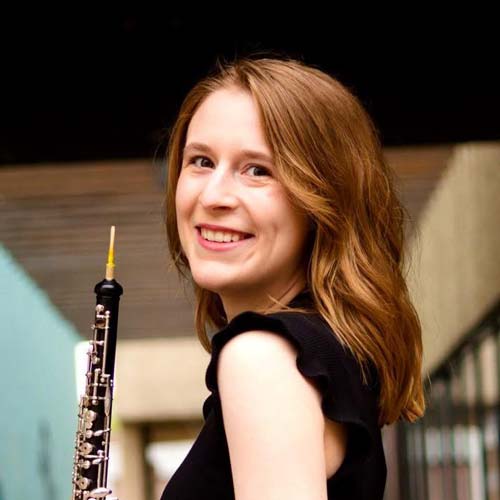
Despite the abundance of online resources for student oboists, a critical gap remains in the pedagogical support provided to non-oboe-playing music educators. This project addresses the systemic barrier, specifically in rural and underserved areas, that prevent band directors from successfully recruiting and retaining oboe students. The purpose of this research is to develop a centralized, open-access digital platform designed to improve the pedagogical efficacy of music educators. This resource includes comprehensive modules on playing fundamentals, purchasing reeds, fundamental exercise sequences for students, and video demonstrations. Additionally, a curated directory of instructors committed to serving under-resourced communities is integrated to facilitate mentorship. By equipping educators with these specialized tools, this project aims to mitigate ‘instrument intimidation’ and foster a larger, more socioeconomically diverse generation of young oboe players.
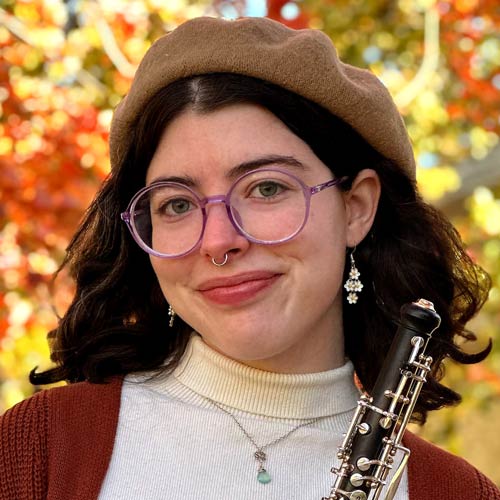
Dr. Chen Yi (b. April 4, 1953) is a prolific Chinese composer and the Lorena Cravens/Millsap/Missouri Distinguished Professor of Composition at the University of Missouri-Kansas City Conservatory of Music. Dr. Chen’s compositional style blends familiar sounds from her home in Southern China with Western classical music, creating new soundscapes for ensembles of all sizes. “Mountain Song” for solo oboe premiered in 2022 at the bicentennial of London’s Royal Academy of Music. It was inspired by Chinese folk songs and the dramatic beauty of nature. Chen Yi evokes memories from her time working in the rice fields and mountains of China, where she would listen to the workers sing a multitude of folk songs. Mountain Song is a reminiscent imitation of farmers singing improvisational melodies. The piece does not quote any particular folk song; instead, it is an original melody that resembles an impromptu tune sung by a single person. “Elegy” was written in 2020 as a response to the Covid-19 pandemic and was part of the Saint Paul Chamber Orchestra’s series of solo commissions. Chen Yi dedicated this solo to oboist Cassie Pilgrim, who shares her southern Chinese heritage. Pilgrim and Chen were introduced during this collaboration with the Saint Paul Chamber Orchestra, where Pilgrim currently serves as principal oboe, a position she has had since 2019. Pilgrim’s late mother was from Chen’s home city of Guangzhou, so the composer decided to both commemorate Pilgrim’s mother and honor those who were lost in the pandemic. Chen Yi’s compositional style in “Elegy” utilizes the mournful Yifan mode (乙反調式) by using quarter tones and pitch bends. Yifan refers to the emphasized tritone scale degrees in the mode; Yi corresponds to Western solfège ti and fan corresponds to fa. The downward pitch bends provide the sorrowful color, evoking a sighing sound.
Chinese composer Chen Yi’s culture influences many aspects of her compositions, drawing from Cantonese folk songs, modes, and lyrical styles. This is evident in her oboe works “Mountain Song” and “Elegy,” as they are predominantly inspired by folk music that was popular in her hometown of Guangzhou. The timbre of the oboe is perfect for replicating the human voice and the many ranges of emotions and inflections found in vocal music. By writing “freely” in her compositions, Chen Yi informs the player to treat each note as if it were improvised, allowing for rhythm and tempo to be up to the player’s interpretation. Both “Mountain Song” and “Elegy” have been transcribed for solo bassoon by Chen Yi and are available for purchase on Theodore Presser. Expanding the double reed repertoire to be more inclusive of non-Western cultures and women composers is essential for understanding the identities of underrepresented people.
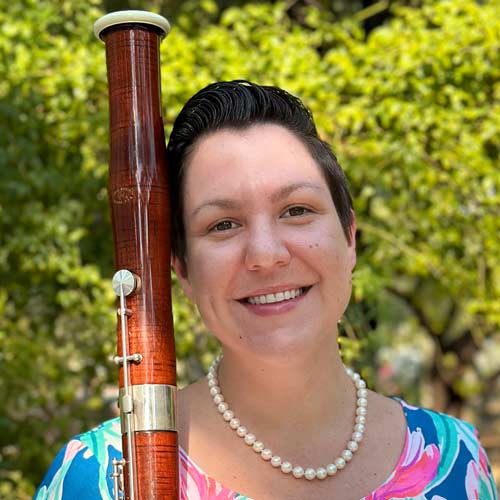
“Where in the world are the women bassoonists?!”
Join bassoonist Liz Valvano on a world tour, identifying prominent women bassoonists performing and teaching across the globe. This poster will feature musicians who identify as women who also play the bassoon or the contrabassoon.
This poster is part of an ongoing research project by Dr. Valvano, who is deeply interested in seeing our global connections in music.
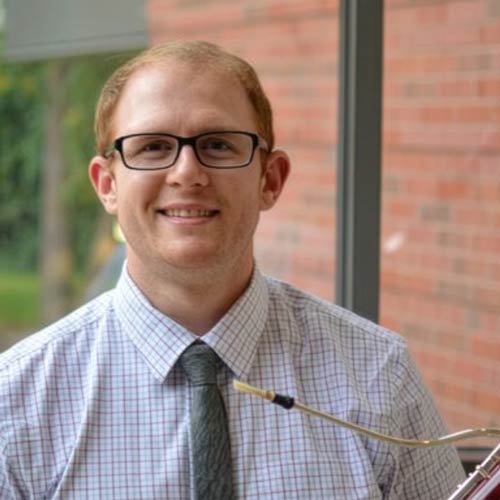
Background and Problem: Reed cane selection for double reeds has long relied on subjective visual and tactile assessment. Standardized objective tools for quantifying the pre-processing quality of Arundo Donax L., the primary plant material for reeds, remain limited. This project adapts nondestructive evaluation (NDE) techniques from materials science to establish a repeatable framework for identifying and quantifying the physical properties that determine reed performance and reliability.
Methods: Pulse-echo ultrasonic testing was applied to measure the time-of-flight of acoustic waves through gouged oboe and bassoon cane, deriving stiffness (Young’s modulus), resiliency (acoustic impedance), and apparent density. N = 239 cane samples were analyzed under controlled conditions, followed by blind performance evaluations by N = 15 double reed musicians across skill levels. Data informed the creation of a Material-Performance Table, mapping property ranges to desirable acoustic and mechanical behaviors.
Results: The study produced a composite metric integrating stiffness, density, and resiliency. Cane within ±20% of the mean consistently yielded reeds of high quality, while deviations beyond ±40% correlated with poor or unstable performance.
Conclusion: This research bridges materials engineering and musical performance, demonstrating that reed success can be predicted through quantifiable data. The approach introduces a low-cost, evidence-based method for improving consistency and quality control in reed making. Overall, the project redefines reed making as both an art and a science, grounded in data-driven understanding of sound, structure, and performance.
“The Other Side of Oboe Sound” Poster Presentation
This poster presentation will cover many extended techniques available to oboe players and composers. The content is divided into three categories:
Overview: including distinctions between “standard” techniques and “extended” techniques with a brief historical survey, tracing early examples of extended techniques in works by composers such as Hector Berlioz and Richard Strauss, and continuing through the twentieth century with composers including Luciano Berio, Krzysztof Penderecki, and Heinz Holliger whose contributions significantly expanded the technical and sonic possibilities of the instrument.
Technical Details: including QR codes which will link to video examples of specific techniques, performed by the presenter.
“Real-Life” Examples: including QR code links to oboe repertoire that includes these techniques (some of which are discussed in the overview) and thoughts about composer/performer collaboration.
This presentation emphasizes the importance of performer–composer collaboration and encourages oboists to adopt a flexible, creative, and exploratory approach to expanding the sonic identity of the instrument.I am looking forward to being at the conference to answer questions and provide more details about this topic.
July 8th Daytime Events
Growing Resilience, Mindset, and Identity Through Practice
Todd Goranson

The importance of mental health for performers at all levels has recently found its way to the forefront of discourse in the arts. This lecture will explore and explain, from the viewpoint of a performing artist and healthcare professional, keys to how the musician can develop a growth mindset, build personal resilience, and reinforce positive and healthful habits in the context of their personal practice approach. The attendee will leave with tools and information that will guide a positive approach to self-care, mindfulness, mindset, and self-reflection and growth as they address their daily instrumental practice.
Piano Trios of Paquito D’Rivera: for oboe, bassoon, and piano
Ashley Rollins (oboe), Ryan Morris (bassoon)
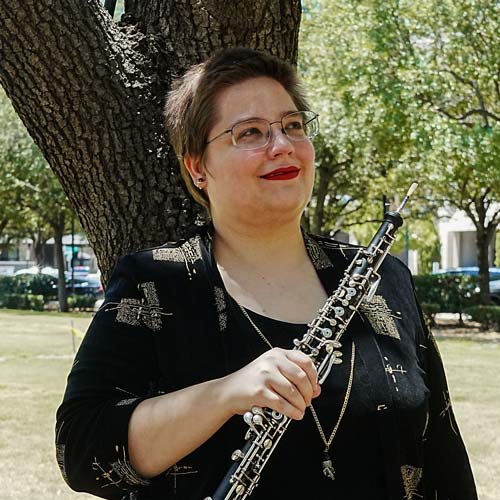
Ashley Rollins (oboe) and Ryan Morris (bassoon) will present a recital of piano trio works of living Cuban-American composer Paquito D’Rivera arranged for oboe, bassoon and piano. Many of these works have not been previously played with this instrumentation. This recital features Ladies in White, which was written to commemorate a group of women who, despite real danger to themselves, protested state violence against journalists, pacifists, and human rights activists in Cuba in 2003.
IDRS 2026 Chamber Music Committee Performance Coaching Workshop
IDRS 2026 Chamber Music Committee

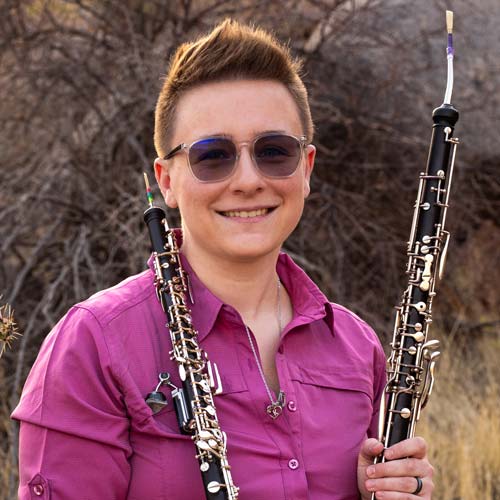
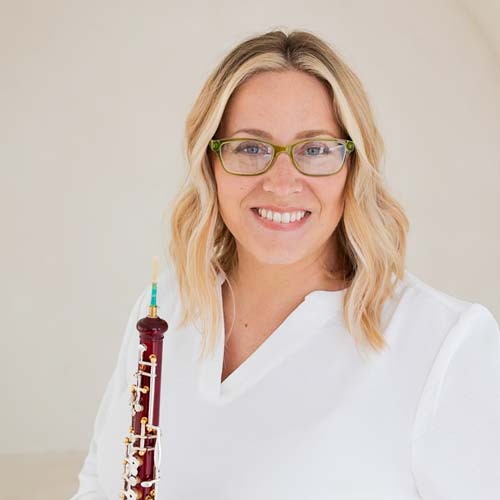
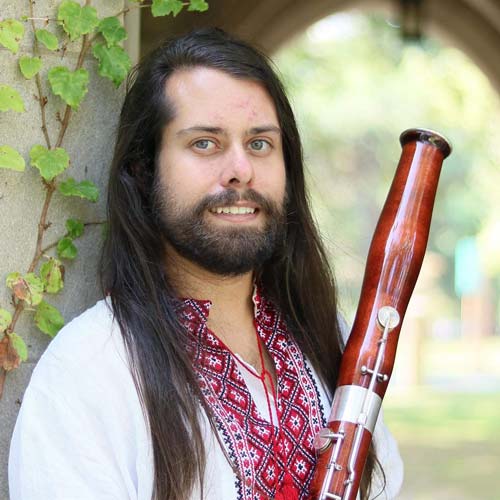
This event will feature all five IDRS Chamber Music Committee members (Stephanie Carlson, Kelsey Maes, Susan Miranda, Javier Rodriguez, and Zachary Senick) as panelists who will work in rotating pairs to coach three student or emerging professional chamber music ensembles in a conversational, collaborative format. Audience participation, interaction, and discussion is encouraged.
Health and Wellness Presents: Ergonomic Options
The IDRS Health and Wellness Committee –
Emily Mastenbrook, Kayana Jean-Philippe, Marissa Olegario, Stephen Caplan, Alli Gessner
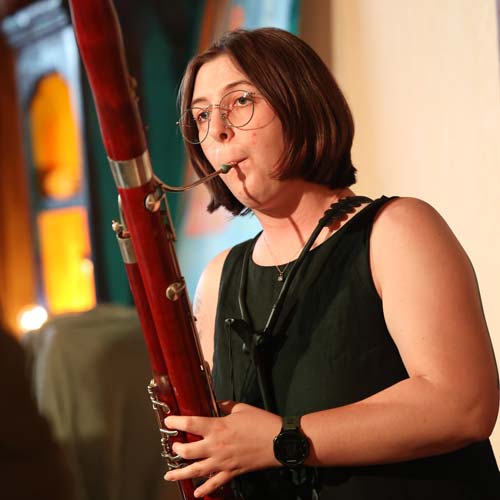
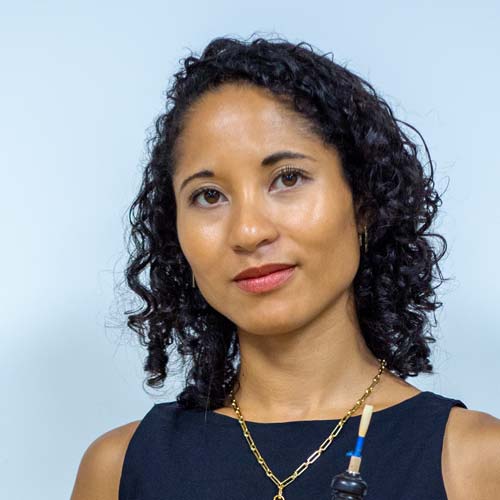
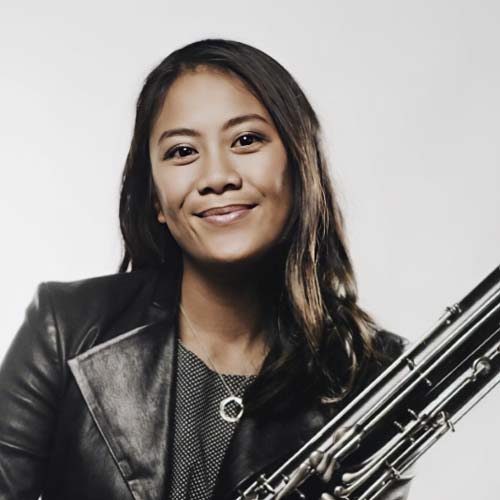
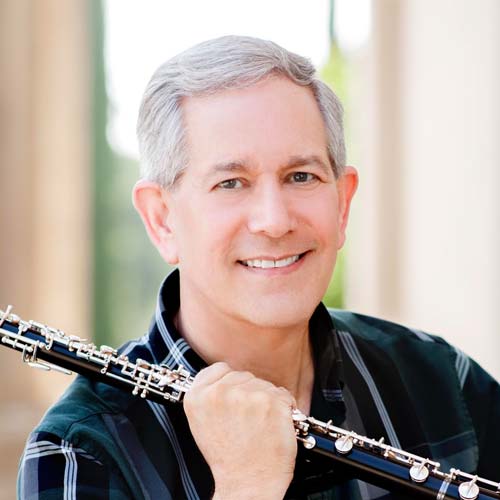
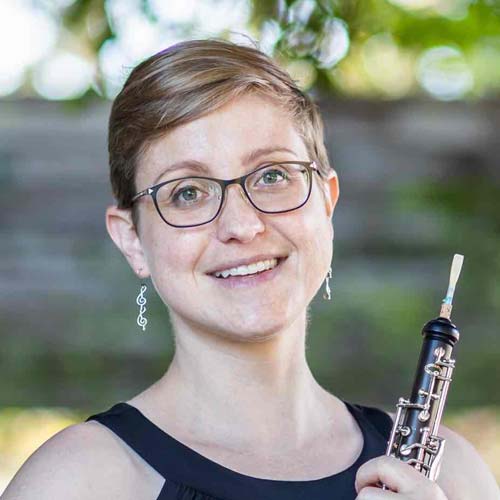
The Health and Wellness Committee proposes an interactive workshop highlighting ergonomic adjustments and assistive devices for the double reed community. Please bring your instruments. Many oboists and bassoonists experience physical strain related to posture, instrument weight, and repetitive playing patterns; this session offers practical strategies to support healthier, more sustainable performance. We will begin with a concise presentation outlining common ergonomic risk factors and evidence-informed approaches to playing alignment, equipment setup, and injury prevention.
In partnership with invited vendors, the workshop will then provide a hands-on space where participants can explore a range of ergonomic accessories—including balance hangers, neck straps, harnesses, seat straps, and posture aids—with guidance from committee members. Attendees will have the opportunity to try devices directly on their instruments, compare options, and ask individualized questions. This session aims to empower double reed players and educators to make informed decisions that reduce strain and promote long-term wellness.
Orations
Jacob Hutchinson (oboe), Noah Pool (flute)
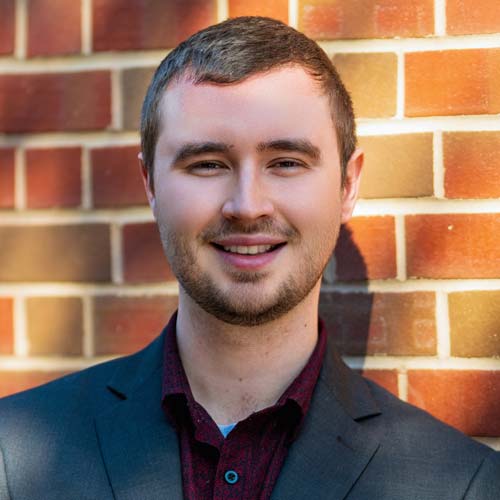

A recital for solo flute and oboe, Orations features works that explore rhetorical themes in chamber music. Each piece on the program displays theatrical dialogue between two voices with contrasting timbres. Fours Coliloquies, by Elaine Fine, plays on the soliloquies delivered by solo actors on stage. It explores the interaction between two voices as melodies weave between similar and contrasting motifs. Natalia Pispina’s Two Elegies call upon the genre of poetry dedicated to serious reflection and remembrance for the dead, through irregular rhythmic groupings and free movement between consonance and dissonance. The final piece, Impromptu by Thea Musgrave, begins with a simple idea at the beginning of the work, and throughout that idea is restated and expanded. Through this recital, E/221 hopes to inspire musicians to explore repertoire with this instrumentation, and work with composers to further expand the music available for the ensemble.
Soundscapes and Folk Tunes
Ovis Aries Reed Quintet
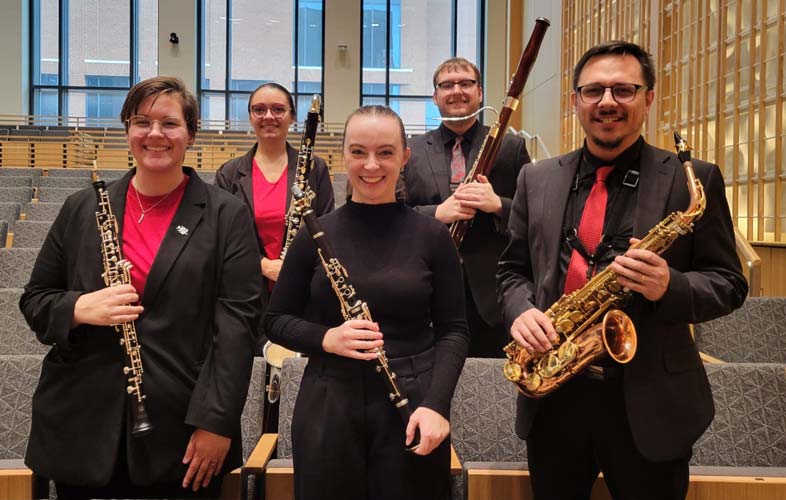
The Ovis Aries Reed Quintet presents a captivating program of works that explore the intersection of natural soundscapes and folk tunes from around the world. By drawing inspiration from the textures, rhythms, and patterns found in nature, the ensemble seeks to create immersive sonic experiences that transport audiences into landscapes both familiar and imagined.
In addition, the quintet highlights the enduring appeal of folk music, showcasing melodies and rhythms that reflect cultural traditions from across the globe. Through this program, the group emphasizes the connections between the natural world and human creativity, demonstrating how composers translate environmental and cultural influences into compelling chamber music.
Crimson Tones
Emma Laude (bassoon), Ione Inchaustegui (bassoon), Jasper Wright (bassoon), Kathleen McLean (bassoon)
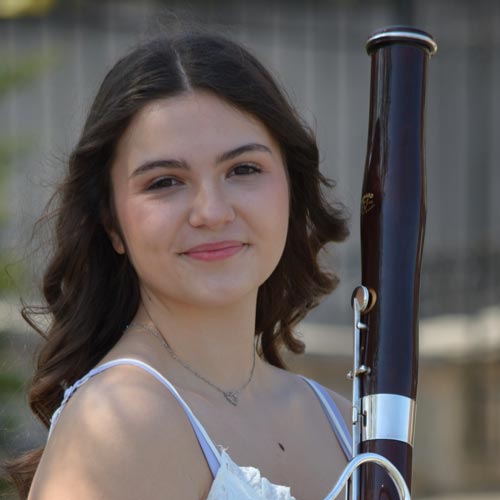
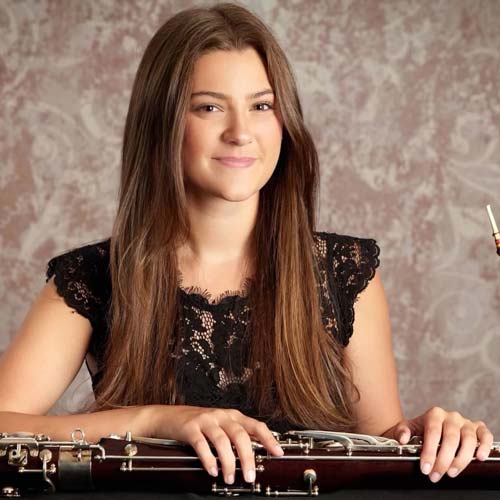
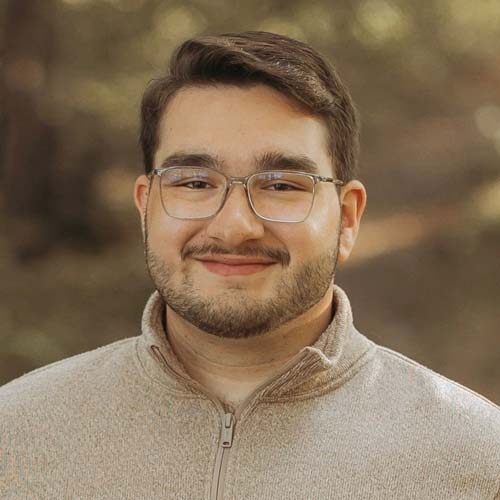
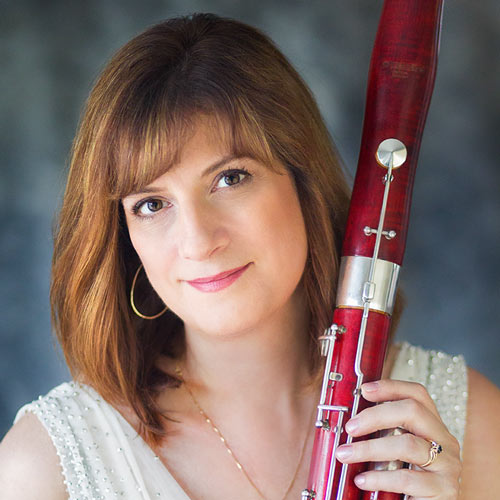
We are students at the Indiana University Jacobs School of Music and are premiering three new works, two trios and one quartet, one of which will be performed in collaboration with our professor, Kathleen McLean. The first piece will be composed by Indiana University composition masters student, William Hawkins, the second piece will be composed by one of the performers, Jasper Wright, and the final work will be written by renowned Dutch composer Chiel Meijering. Through this project, we aim to highlight fresh and diverse voices in contemporary composition.
The Wildflower Trio (M. Samson), “Oboe” for oboe and medium voice (N. Carozza) Grove City Shorts (H. Grosse)
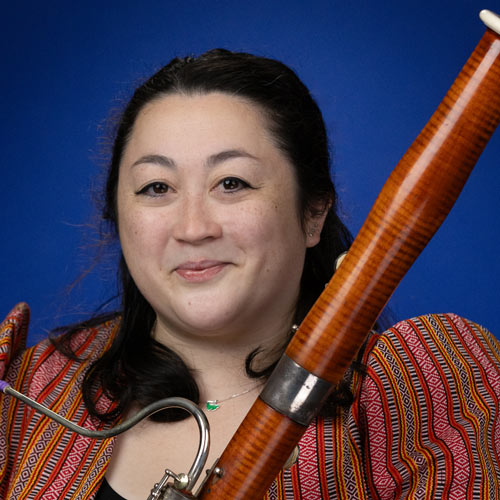
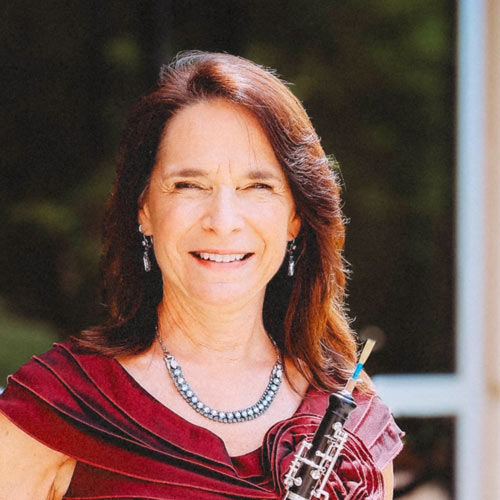
Midori Samson (bassoon), Margaret Marco (oboe), Priscila Navarro (piano), Mariage d’iver, Nicholas Carozza (oboe), Rebekah Carozza (soprano), Hannah Grosse (oboe)
Metamorphoses after Ovid
Nicholas Daniel
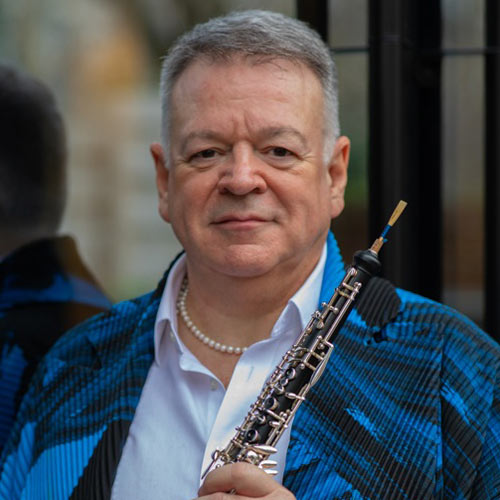
Students will bring one or two Metamorphoses composed by B. Britten, Arachne by H. Grime and/or Proserpina J.Lee
Through Prairie Eyes: Journeys in Sound and Image
Erin Brophey (oboe/English horn), Stephanie Unverricht (bassoon), Jan Norris (visual art)
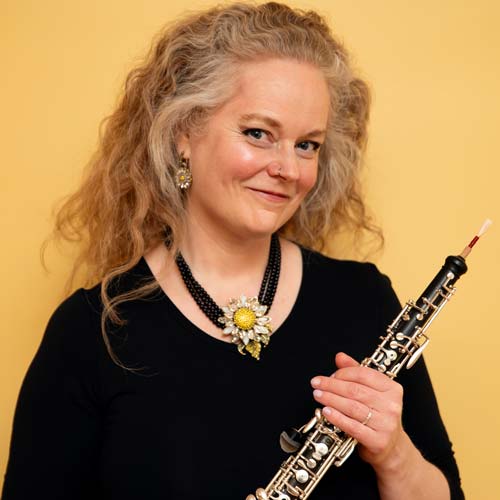
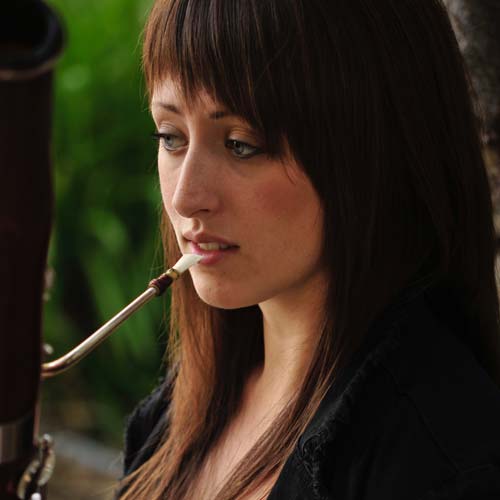
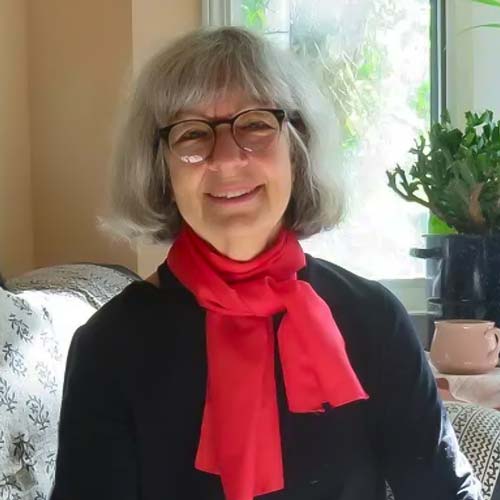
This multimedia chamber recital explores the relationship between artist and environment through the performance of three Canadian prairie artists. Erin Brophey (oboe/ English horn) and Stephanie Unverricht (bassoon) have collaborated with visual artist Jan Norris, whose projections illuminate prairie landscapes.
Creative expression in the Canadian prairies means daily confrontation with the land—frozen mornings that crack reeds, winds that chap lips, and vast horizons that inspire. This program invites audiences to reflect on their own relationship with the land through contemporary works for a double reed duo paired with Norris’ evocative imagery. The intimate blend of the double reed sound—earthy, resonant, often overlooked—mirrors the prairie itself: understated yet profoundly affecting.
Three composers—Ukrainian-Canadian, British, and American—offer distinct perspectives on land and place. Jenni Brandon celebrates the protected beauty of Glacier National Park, while Althea Talbot-Howard explores the meeting of water and shore at a UK tourist destination. Anna Pigdorna’s work confronts how war redefines borders and our relationship to land itself. Visual artist Jan Norris complements each composition with imagery drawn from her own encounters with landscape creating a multifaceted meditation on how we experience, protect, and sometimes lose the places we call home.
Romantic Reflections in New Colors: Louise Farrenc’s Trio, Op. 45 for Oboe, Bassoon, and Piano, trans. Theresa Delaplain
Pablo Hernandez (oboe), Kim Woolly (bassoon), Hongzuo Guo (piano)
Underperformed gems for Trio D’anche
Scott Pool (bassoon), Sara Renner (oboe), Caitlin Beare (clarinet)


Bach, Bassoon, and Basslines
Joseph Jones

From J.S. Bach’s student years he encountered the new-fangled bassoons of emigrant French bassoon players, as well as the old-school Dulcian/Curtal. Set aside the ubiquitous (if amusing) anecdote about a sword fight with a bassoonist. Throughout his career — from the depths the early cantata “Aus Der Tiefe” to the heights of “Quoniam Tu Solus Sanctus” in the mass in B Minor — Bach utilized the bassoon for it’s special character in soloistic obligatos and as an integral and distinctive color of the basso continuo section.
To approach what the bassoon ‘meant’ to Bach we will survey the bassoon parts of his cantatas and other vocal music; gathering an understanding of the textures, abilities, and textual themes he associated with the bassoon. And to further our ability to play Bach’s bassoon lines, we will consider historically informed tools and strategies for ‘realizing’ basso continuo parts.
An Interactive Exploration of Breathwork in Reena Esmail’s Pranayam
Heather Macdonald (oboe)
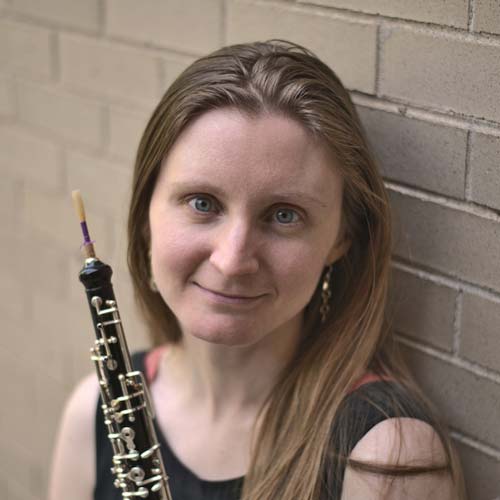
This lecture recital investigates the interplay of breath, mindfulness, and musical listening through an interactive exploration of musical interpretations of ancient yogic breathing techniques (Pranayama). Reena Esmail’s Pranayam for oboe and piano is a suite basing each of its five movements on a distinct technique: Dirgha (three-part inhale), Kapalbhati (the “skull shining” breath, with short, sharp exhales), Nadi Shodhan (alternate nostril breathing), Simha (the lion’s breath), and finally Ujjayi (the “victory” or “ocean” breath, with its audible wave-like sound). In this presentation, we will define each of these breathing techniques and explore how each works to calm or energize the body and focus the mind. We will then discuss compositional techniques which Esmail uses to portray each type of breath, and imagine how one might breathe along to the music. We will also consider how focus and increased awareness of one’s breath might transform one’s musical listening experience.
Summer Scenes from Finland
Kristin Sarvela (oboe), Tingting Yao (piano)
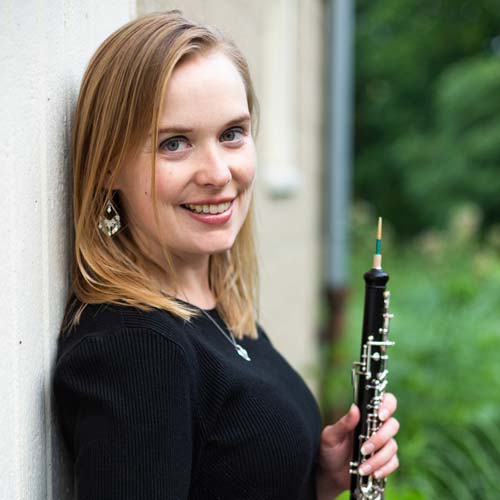

Double Reed Family of Sichuan Conservatory of Music
Shibin Song (bassoon), Xing Ju (oboe), Ge Mu (oboe), Qiuwei Li (piano)
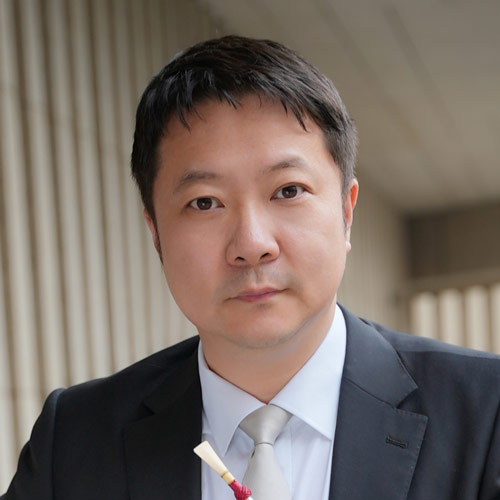
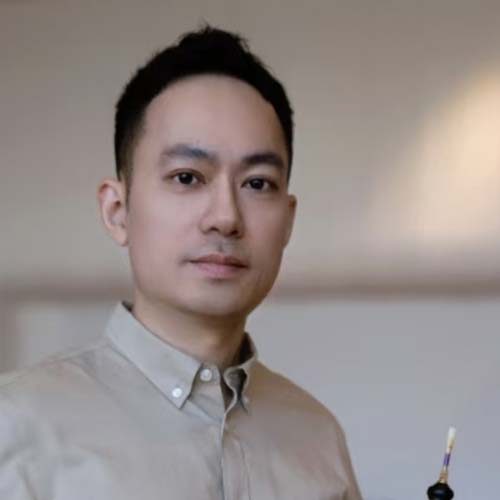

Lara for Two Oboes and Piano (L. Dahl), Suite Diaria (J. Piedra), La Bergère des Brises de Vallée (H. Killmeyer), All It Takes is a Spark (A. Gordon Smith)
Lara Dahl (oboe), Laura Medisky (oboe), Juan Piedra (oboe), Heather Killmeyer (oboe/English horn), Roya Farzaneh (flute/piccolo), Monica Song (piano), Alexandra Gordon Smith (oboe), Robert Smith (trumpet)



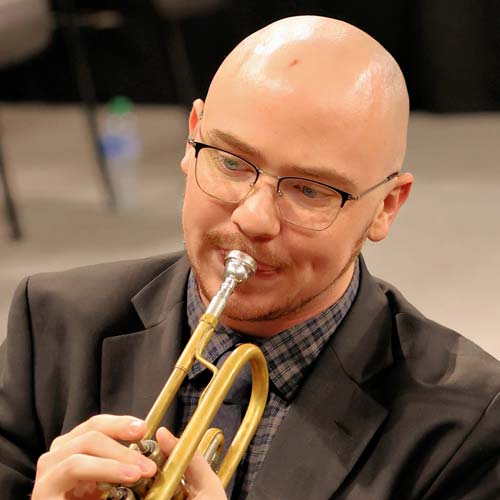
Nature and Remembrance: Landscapes for Bassoon and Contrabassoon
Miriam Webber (bassoon), Martin Van Klompenberg (contrabassoon)
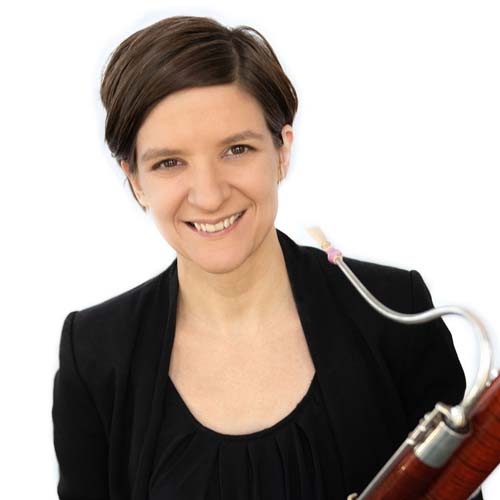
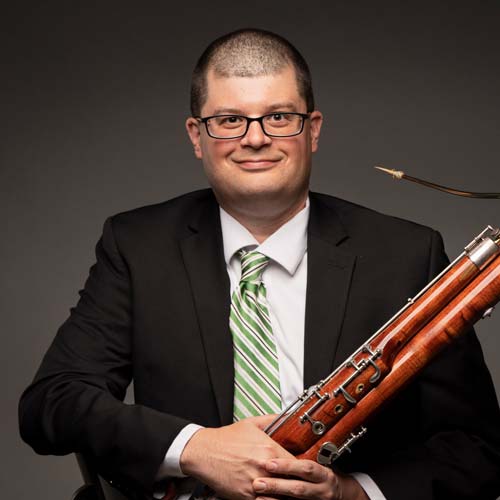
Musical Storytelling: Maximizing Your Expressive Potential
Nanci Belmont
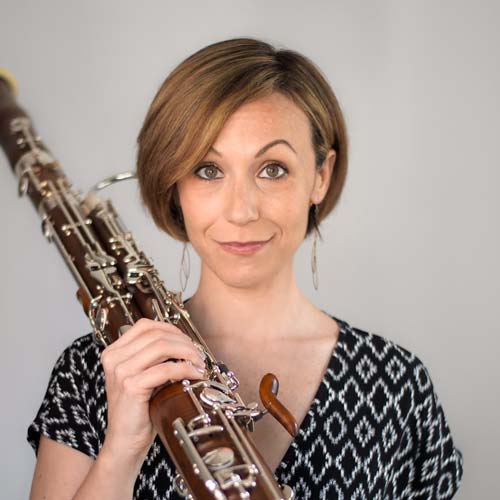
This masterclass invites bassoonists to unlock deeper musical expression by identifying how technique, sound production, and phrasing come together to create a compelling musical narrative. Attendees will learn practical strategies for removing technical barriers, expanding expressive vocabulary, and crafting interpretations that feel both personal and communicative. Repertoire is open, allowing performers to bring works from any era or style, from Baroque to contemporary, highlighting how expressive principles apply across musical contexts. Designed for developing and advanced bassoonists alike, this session offers concrete skills that help players more confidently and freely tell their musical stories.
Tough Skin, Tender Heart: Cultivating Resilient Empathy
Merideth Hite Estevez

Tough Skin, Tender Heart: Cultivating Resilient Empathy:
Move beyond the binary of being either tough or sensitive and learn how sustainability and joy as an artist come through being both. This workshop is designed to equip you with the practical tools to navigate the ups and downs of the music life, move beyond rejection, and embrace compassion for self and others.
We’ll explore what matters more than winning, delve into Effective Questions for deeper connection, and learn Tough and Tender Practices for daily life. Discover powerful Rejection Rituals to build resilience, learn the art of self-forgiveness, and leave with clarity through the Curtain Call Questions.
Discover your capacity to handle career challenges with a resilient spirit and a compassionate core.
The real work of art is who you’re becoming.
Nailing Clouds
Ben Roidl-Ward (bassoon)
Establishing new works in the repertoire
Mystery Cane
Leah Broad writes of the “obsession with firsts” of classical music, noting that “the way that pieces become popular is not by being so unusual that it’s always their first outing in some capacity. It’s through repeat performances, widespread recording, and advocacy by those who truly love this music. Without these, composers and their works cannot gain or keep a place in the repertoire.” (Songs of Sunrise)
With an eye to expanding double reed trio music in the repertoire, Mystery Cane (Ari Cohen Mann, Keith Sorrels, and Rachel Becker) presents two Canadian double reed trios by established composers under-represented in the oboe world: Christopher Nickel’s Suite for Two Oboes and English Horn (2017) and Elizabeth Raum’s Five Inventions (2021).
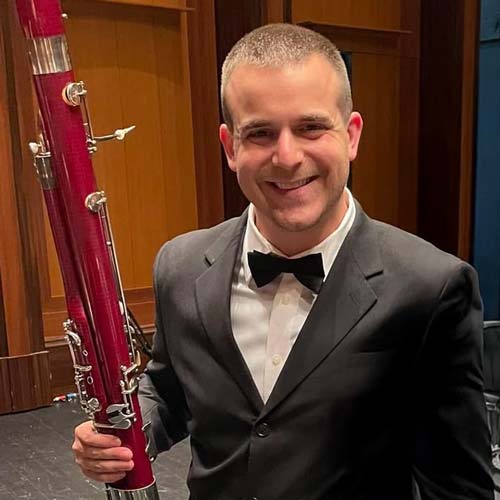
A Contemporary Recital for Respective Times
Andrew Marlin (bassoon), Stephen Uhl (piano)

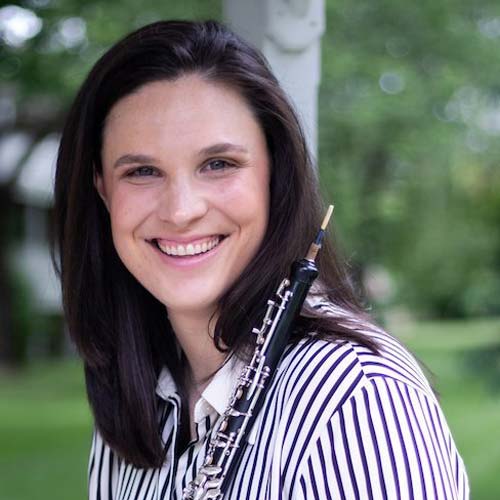
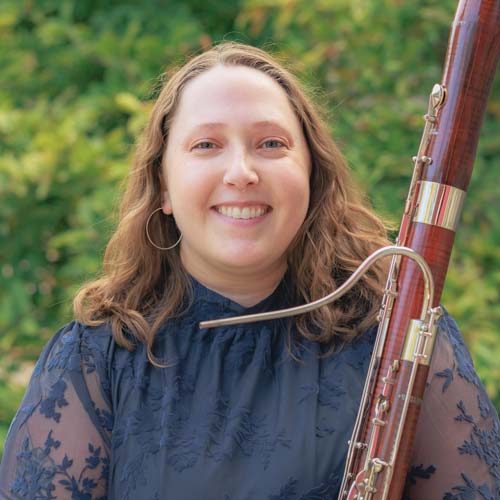
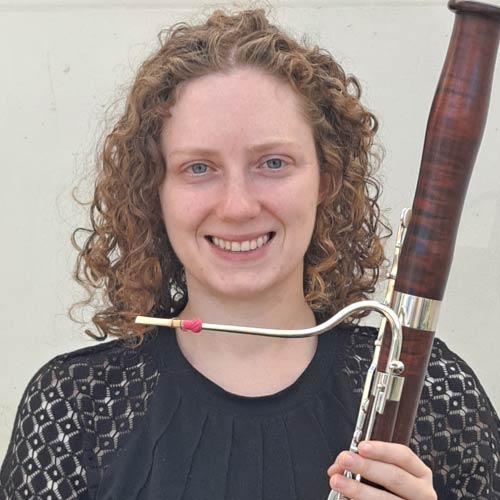
Suite for Oboe and Piano (E. Hart), Pī (悂) (O. Zhao), Promised Land (C. Sackleh)
Emily Hart (oboe), Oliver Zhao (bassoon), New Downbeat, Caroline Sackleh (bassoon), Kathleen Moran (bassoon)

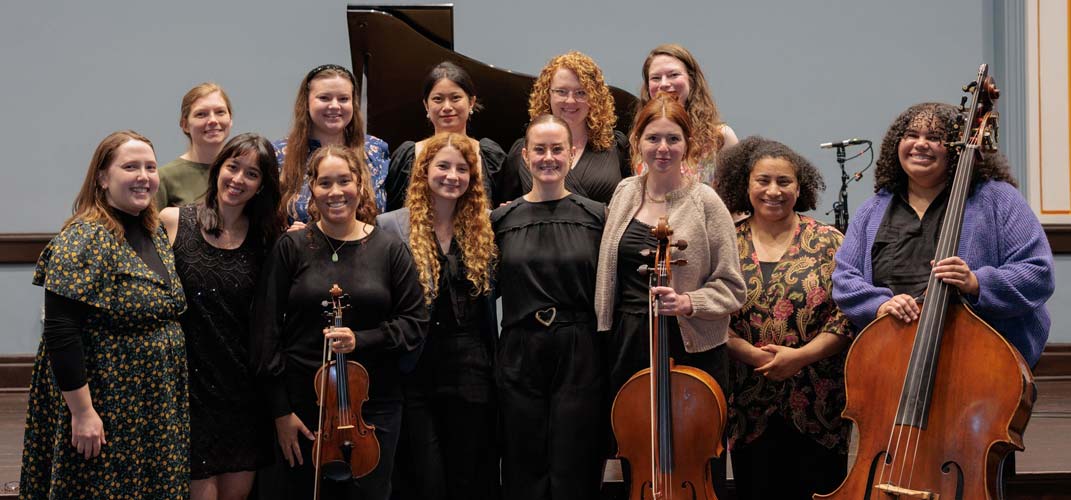
Reading Session for 2SLGBTQIA + Workshop
IDRS Committee for Diversity, Equity, Inclusion, and Belonging
Hosted by the Committee for Diversity, Equity, Inclusion, and Belonging, this gathering invites community members who are Two-Spirit, Lesbian, Gay, Bisexual, Transgender, Queer/Questioning, Intersex, Asexual, and other 2SLGBTQIA+ to connect. Formerly an affinity mixer, the event is now a reading session where attendees who identify as part of this group may come together to play in a supportive, collaborative environment. Repertoire is open.
Woodwork
Woodwork
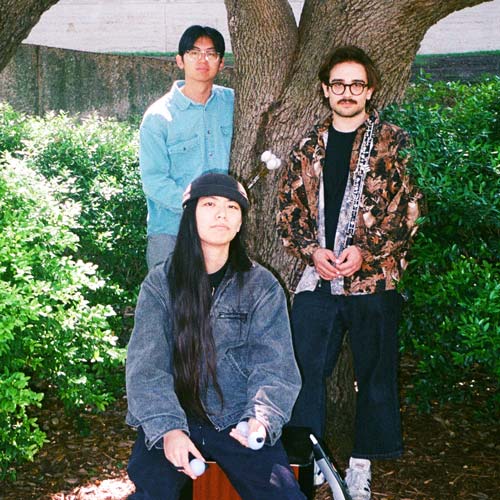
Woodwork, a band from Austin, Texas consisting of oboe, marimba, and asalato, presents a performance of works involving the oboe featured in an indie-band setting, bringing aspects of popular music, the oboe, and the contemporary percussion repretoire together within the concert hall.
These works aim to showcase the versatility of the oboe in genres beyond music written in the Western Art Music canon, especially within the unusual chamber setting combined with marimba and asalato (a shaker percussion instrument from West Africa).
Additionally, this presentation showcases works written only by living composers, supporting the creation of new work for or including oboe.
This concert aims to expand the performance concept of the oboe outside of the “classical” canon, and hopes to inspire the use of double reed instruments in more non-Western Art Music ensembles.
Beyond Per-Service: Turn Your Skills into an Online Business That Travels Farther Than You Can Drive
Natalie Law
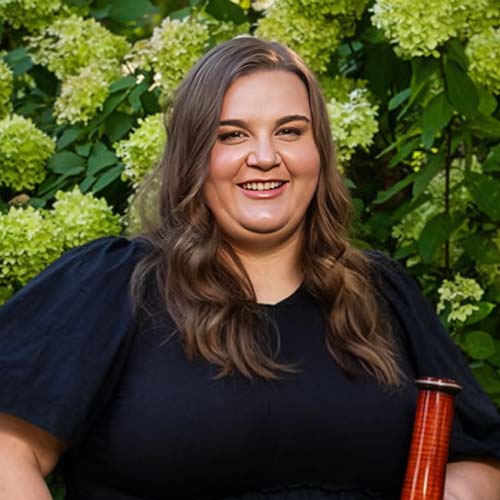
Many musicians find themselves caught in the demanding cycle of per-service gigs, long hours teaching, and constant travel. This presentation offers a fresh perspective on building an online business that provides greater freedom, flexibility, and the opportunity to reach a global audience without giving up the work they already do. Attendees will explore how to supplement their existing careers by creating scalable, meaningful work that fits their unique skills and lifestyle. By adopting a business owner mindset, musicians can focus more on the parts of their work they truly enjoy and create space to build a sustainable and fulfilling career. This session invites musicians juggling multiple roles to break free from the per-service grind and embrace impactful, long-term ways to grow their careers online while building work that travels far beyond any single gig or lesson.
Romantic Women: Borrowed Piano Trios for Double Reeds
Cayla Bellamy-Lanz (bassoon), Galit Kaunitz (oboe), Juhyun Lee (piano)
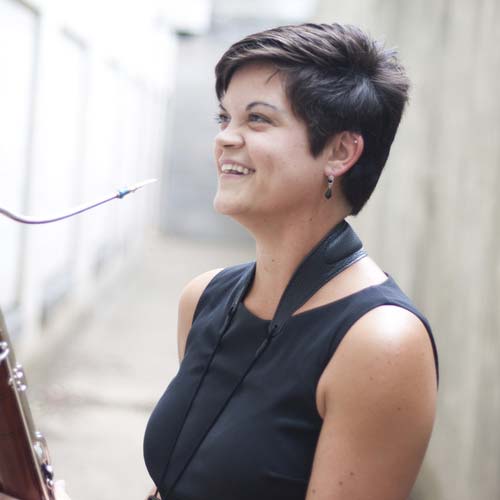
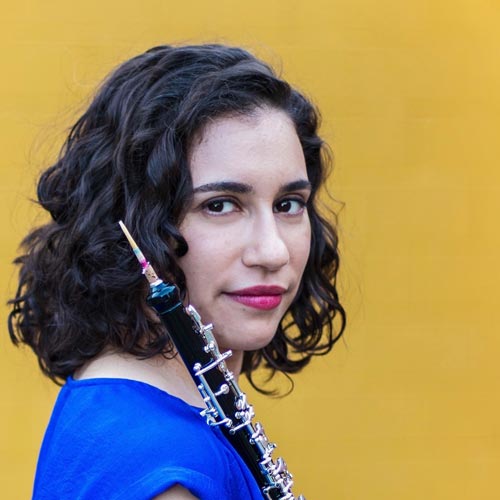
The Romantic piano trio evolved from the trio sonatas of the Baroque into a deeply complex and collaborative genre unto itself. Historically, the “piano trio” as an ensemble included a violin soprano voice and a cello tenor voice. In the spirit of the rich double reed history in trio sonatas, the transcription of piano trios for oboe, bassoon, and piano expands our repertoire for the double reed trio, as well. This recital presents three such transcriptions of piano trio movements by Romantic composers Emilie Mayer, Clara Schumann, and Mél Bonis.
Where Voices Meet
Kristin Leitterman (oboe), Nairam Simoes (trumpet)
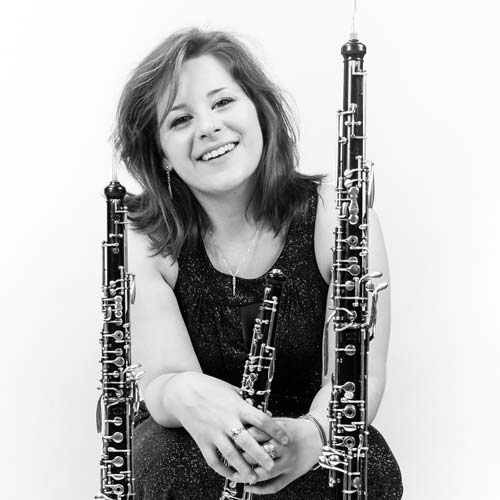
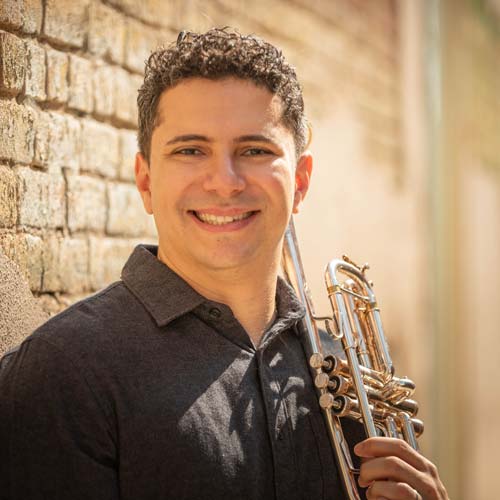
“Where Voices Meet” explores the beauty of connection through contrasting yet complementary musical dialogues. The program features Pass in the Night (2025) by Whitney George, a new consortium work led by the Leittermoes Duo for oboe, trumpet, and piano. Inspired by the image of two ships passing in the night, the piece captures the delicate interplay between the instruments, sometimes distant, sometimes unified, always intertwined.
The program also includes Eric Ewazen’s An Elizabethan Songbook, originally for mezzo-soprano, tenor, and piano and later arranged for trumpet, trombone, and piano. With the composer’s approval, the Leittermoes Duo presents their own adaptation for trumpet, English horn, and piano. Each movement paints vivid scenes through Elizabethan poetry: the exhilaration of new love, playful infatuation, quiet sorrow, and exuberant joy. Together, these works trace a lineage of musical conversation, from Ewazen’s warm tonal lyricism to George’s richly colored, modern harmonic landscape.
Responses to the World: Music by John Steinmetz
John Steinmetz (bassoon), Carlos Clark (bassoon), Emily Mastenbrook (bassoon), Maribel Alonso (bassoon)
Cuban Dances for Wind Quintet
Bear Lake Winds
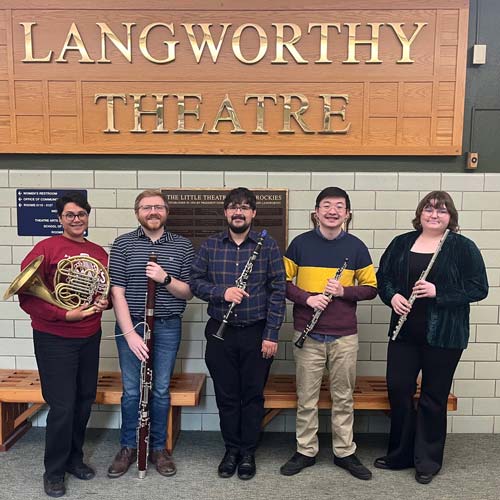
Bear Lake Winds presents a vibrant program featuring two cornerstones of Cuban-inspired repertoire: Aires Tropicales by Paquito D’Rivera and Six Cuban Dances by Ignacio Cervantes. D’Rivera, a Grammy-winning clarinetist, saxophonist, and composer, originally wrote Aires Tropicales for clarinet ensemble before arranging it for wind quintet. The suite blends classical craft with Afro-Cuban rhythms, showcasing the wit, lyricism, and rhythmic vitality characteristic of his style. Cervantes, a foundational figure in nineteenth-century Cuban nationalism, composed his Danzas Cubanas for solo piano; their elegant melodic lines and stylized dance gestures have since inspired many chamber arrangements. Presenting these works together highlights the continuity of Cuban musical identity across generations: both composers draw on danza and habanera traditions, fuse classical and popular idioms, and celebrate Cuba’s rich rhythmic language. This program offers convention audiences a lively, culturally resonant exploration of Cuban artistry through the color and versatility of the wind quintet.
Selected Bassoon Works by Noelia Escalzo
Carlos M Lopez Soria (bassoon)
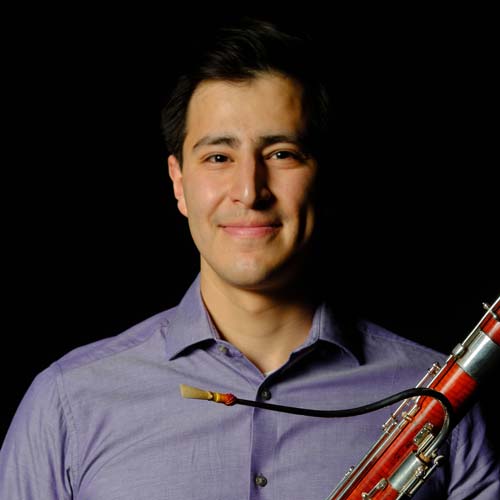
Noelia Escalzo has become one of the most prominent composers from Latin America to write extensively for bassoon. Her music is infused with authentic Argentinian folklore, which she beautifully captures in all her works. After interviewing Noelia earlier this year, I became even more fascinated by her bassoon compositions. That’s why I decided to submit this proposal, which includes several pieces that have not been widely performed in the bassoon world. However, I firmly believe that Noelia’s music offers a unique perspective on her cultural heritage in a truly delightful way.
Noelia mentioned in our interview that when composing, she not only considers the performers but also focuses on how to keep the audience engaged throughout her works. I truly appreciate this, as the connection between performers and the audience is crucial, and Noelia reminds us of this through her music. Lastly, all of her pieces are deeply influenced by authentic Argentinian musical styles. In her words, she strives to present these traditional styles in their truest form. The combination of these authentic elements and Noelia’s distinctive compositional voice creates a rich and immersive experience that unites performers and audiences on a delightful journey through Argentina.
The Contemporary Oboe: Cross-Genre Explorations
Michael Ripple (oboe), Meng Yuan (piano)
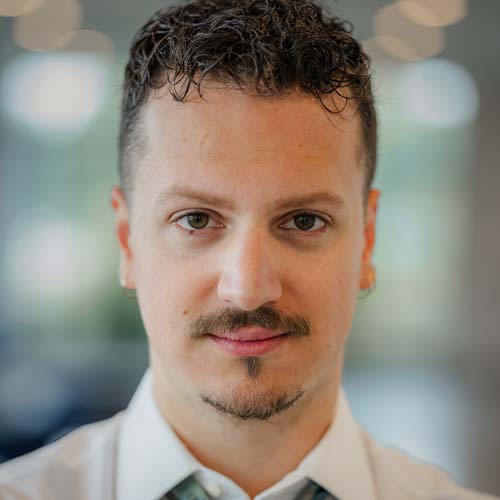
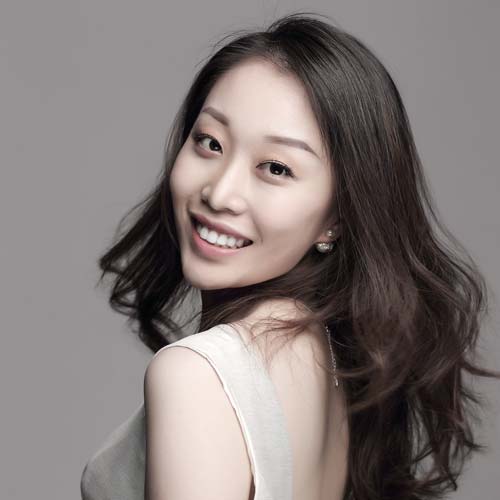
This recital presents three recent contributions (two world premieres) to the oboe repertoire that engage directly with jazz, blues, and electronic sound worlds. Jane Kozhevnikova’s Celestial Steps for Oboe and Piano explores lyricism and rhythmic elasticity within a jazz-inflected harmonic language, foregrounding the oboe’s expressive capacity in dialogue with the piano, and encouraging improvisation in a natural, organic dialogue. Dawson Hull’s Poplar Avenue: A Blues for Oboe and Piano serves as a stylistic and structural bridge, situating the oboe within an idiom more commonly associated with voice or brass and highlighting its adaptability in a distinctly American tradition, rooted in the culture of the composer’s city of Memphis, TN. Nathan Hall’s Twilight and You for oboe, piano, and electronics extends this exploration into new sonic terrain, using pre-recorded electronics to merge acoustic and digital timbres in an immersive, genre-defying soundscape, also encouraging and utilizing improvisation alongside traditional notation.
Together, these works illuminate the oboe’s evolving role in contemporary music, demonstrating its capacity to transcend traditional boundaries and thrive at the intersections of style, technology, and cultural expression.
Teaching Very Early Years Double Reeders – Theory and Praxis
Anne Gilby
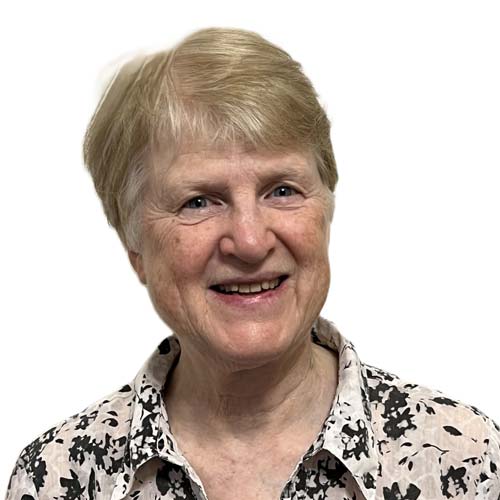
Increasingly, children aged 5, if not younger, are taking up oboe and bassoon playing. This creates special challenges for their teachers, not only because of the physical size of the students, but also in how to effectively manage their musical and technical development in a variety of tuition settings. Drawing on her long experience and expertise as an early years double reed educator, Anne Gilby will present a practical guide and a theoretical understanding of how to successfully navigate the issues attendant with assisting the development of very young double reed musicians.
A Contemporary Recital for Respective Times
Andrew Marlin (bassoon), Stephen Uhl (piano)
The Drs. Are In: CV Boosters
Rachel Messing, Bradley Johnson, Abby Held
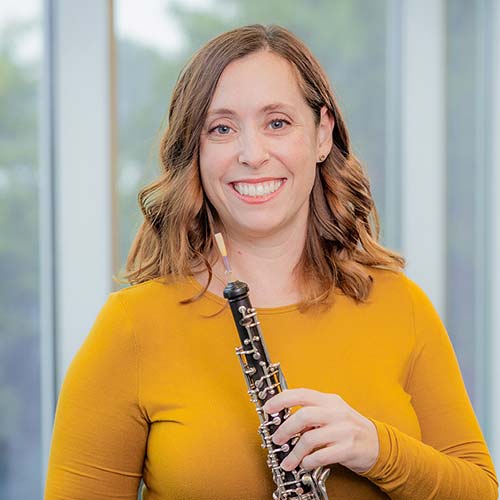
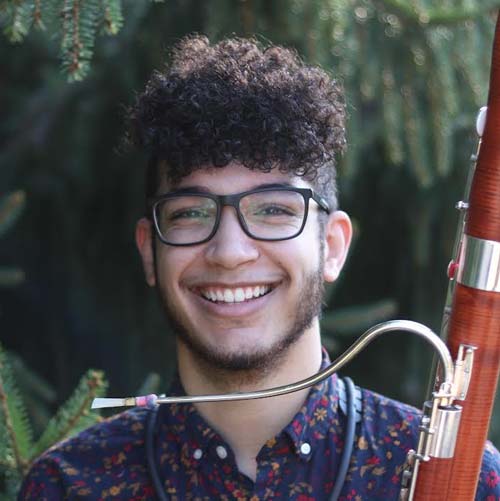
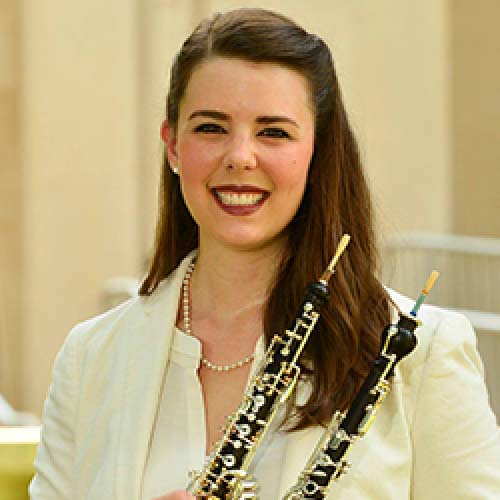
Whether assembling materials for the first time, seeking a new position, or preparing for promotion and tenure, a well-crafted CV is an important representation of your hard work in any stage of an academic or professional career. Despite its importance, many of us delay updating our documents or struggle finding fresh, effective ways to present our accomplishments. Led by double reed professors who have recently secured academic appointments and served on hiring/review committees, this workshop offers practical, experience-based guidance. Panelists will present sample CVs and résumés, demonstrating strategies for clear organization, impactful formatting, and concise presentation of achievements. Attendees will receive suggestions, individualized feedback, and insights into what committees prioritize during evaluation. Participants will be equipped with tools and confidence to refine their professional materials and better represent their expertise within competitive academia. Panelists will also offer ‘office hours’ attendees can sign up to meet one-on-one after the workshop.
Two Trios: Oboe/English horn, saxophone and piano; oboe, viola and piano
Amabile Chamber Players

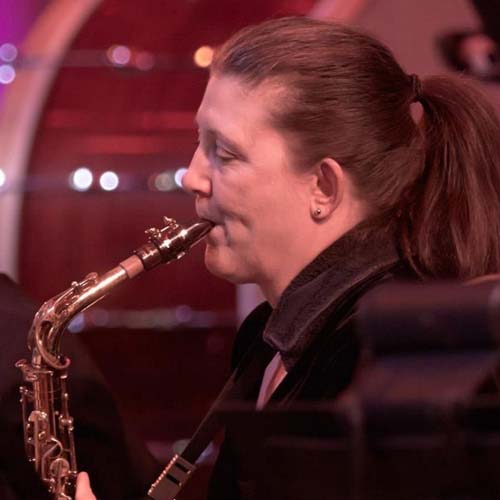
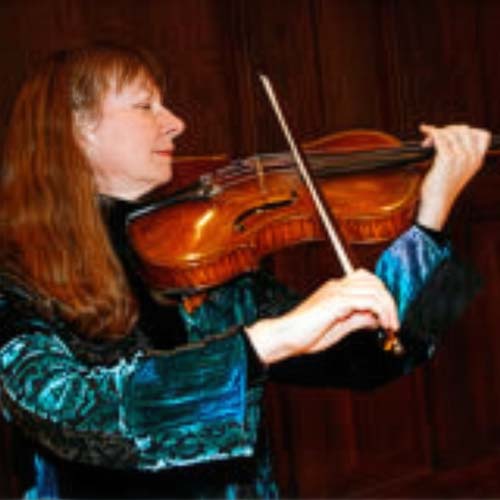
Arkansan composers, Dr. Robert Mueller and Dr. Karen Griebling offer a variety of colors for oboe, viola, saxophone and piano. “Floating” for Oboe/English Horn, Alto Saxophone/Soprano Saxophone and Piano by Robert Mueller was commissioned by Lorraine Duso Kitts in 2021. The variety of exchanges between the double reeds and saxophones offers so many colors. His mission statement portrays the meaning of Floating. He states, “I strive through my music to communicate the essence of human expression, from the breathings of my own heart to those of the listener.” Dr. Mueller passed away in May 2025 before Floating was premiered. We are fortunate to be able to play this piece in honor of Dr. Mueller and his wife, oboist Dr. Theresa Delaplain.
Facets for oboe, viola and piano by Karen Griebling was composed in 2021 at the request of Lorraine Duso Kitts. The same theme appears and is developed in different ways in each of its five movements. The first movement presents the theme as a majestic march. The basis for the virtuoso second movement is the theme’s head motif, a dotted rhythm. The dotted rhythm is abandoned in the third movement while the melodic contour is retained to form an expressive rondo subject. The fourth movement is an isorhythmic canon based on the theme. The canon is played over a ground formed from the word, FACETS. The final movement is a stretto fugue in which the theme appears as the fifth of five subjects that are recapped from earlier movements
More Than Just the Notes: Connecting with Audiences
Stephanie Patterson
While we all aspire to perfection, a truly great performance is not only accurate but moving. Great performances are memorable for the audience and the musicians because there is a meaningful connection formed among those present. When we start to approach music as a vehicle for human connection and understanding, not only does the tedium of daily practice become more enjoyable, but we can use these tools to approach the challenges of being a musician, from performance anxiety to burnout. How do we cultivate that connection in our own performing, starting in the practice room? This class will cover many ways in which we can practice meaningful music-making, regardless of the instrument, context, or repertoire.
Works by Students of the Electrobassoon Ensemble
Fernando Zúñiga Chanto (bassoon)
The Electrofagot Ensemble is a research and performance project initiated in 2019 by Fernando Zúñiga-Chanto at the Universidad de Costa Rica. Currently housed at the Instituto de Investigaciones en Arte (IIARTE) of the same university, the ensemble’s mission is to study the integration of pedalboard technology with the bassoon and to encourage students to develop new works that expand the instrument’s expressive range through real-time processing and effects.
Works for Oboe and Piano by Reena Esmail
Sagar Anupindi (oboe)
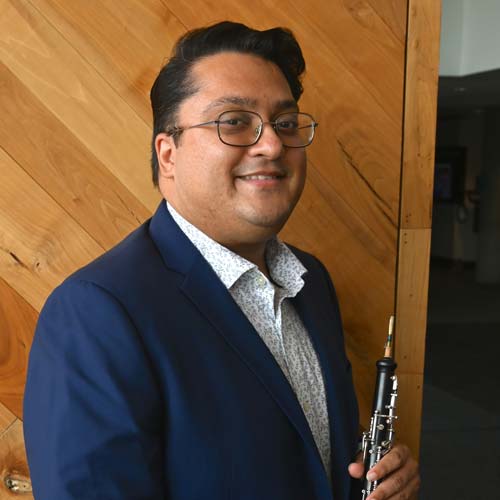
A recital of Reena Esmail’s works for oboe and piano, “Jhula Jhule” and “Pranayam,” infusing the performance with our shared cultural identity as Indian Americans. Reena’s music speaks deeply to me, as she captures some of the experience of the Indian diaspora in the United States. “Jhula Jhule” incorporates Indian folk songs and her connection to her grandparents. “Pranayam” is inspired by breath practices used in yoga. I would love to share these works that are infused with Indian music and culture with the IDRS audience!
Summer Bassoon Workshop Recital
Andrew Marlin (bassoon)
Andrew Marlin’s Summer Bassoon Workshop is a program that exposes young bassoonists to the world and wonders of classical music. Mr. Marlin does this by having his students learn about and perform his own bassoon ensemble arrangements of orchestral classics, opera scenes, film scores, and more. Most recently, Mr. Marlin has begun commissioning original works by living composers, which will be an ongoing tradition of the program. The first piece commissioned for the bassoon workshop was Resonating Forest by Stephanie Ann Boyd and was first performed at the workshop’s concert in July 2025.
The bassoon workshop has had proven success teaching students musicianship, ensemble skills, and bassoon technique more thoroughly because of the program’s structure and focused environment. All of which helps the students perform better in any other collaborative setting they may be a part of and directly support the directors they work with. Most importantly, the workshop creates and promotes a deep love for music that translates into everyone’s playing, performance, and overall enjoyment that will clearly last long after they’ve graduated from the program.
IDRS Double Reed Band Rehearsal #2
Starting a Community Bassoon Band
Stefanie Przybylska
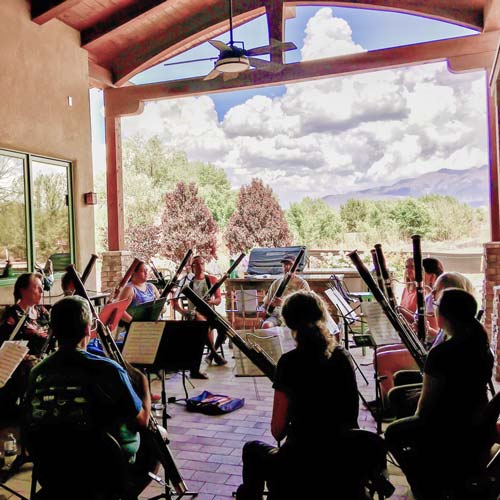
This presentation will describe how to form and run a bassoon band, using the history of the Bosque Bassoon Band as an example of how to navigate questions of purpose, leadership, and finding repertoire that is appropriate to the group’s tastes and ability level. Live performance of favorite selections from our extensive library will be included.
Topics to be discussed will include:
- What is the purpose of our group?
- What kinds of music do we want to play?
- How and where do we find music for bassoons and contrabassoons?
- Who will lead our group, and what will that look like?
- Where will we perform?
- Do we keep a website and social media accounts?
- Q and A
Mexican Music
Gianfranco Bortolato (oboe)
Duality in Music: Artistic Reactions to Contemporary Culture
Janelle Ott (bassoon)
Creativity in Collaboration: How Crisis Sparks Art
Jenni Brandon, Gina Cuffari
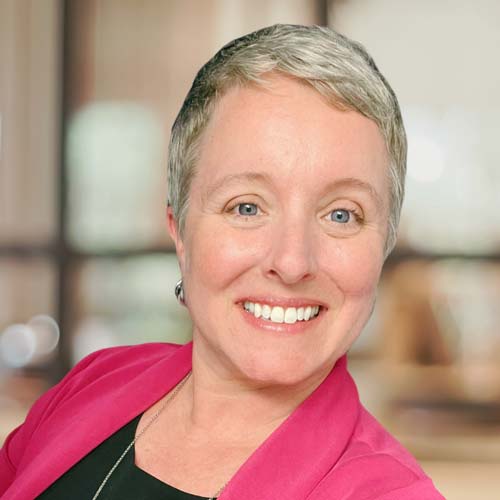
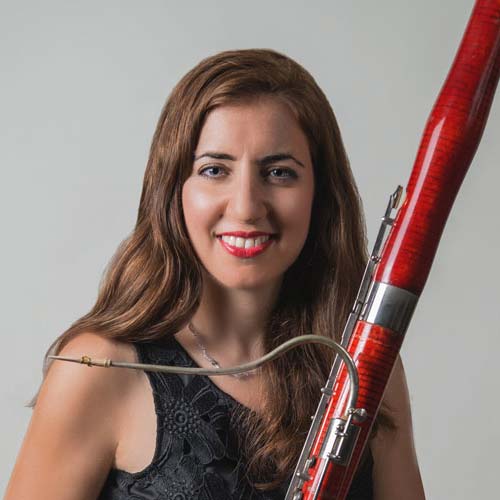
When the pandemic reshaped our world, composer Jenni Brandon and bassoonist/soprano Gina Cuffari transformed uncertainty into creativity. Their collaboration produced “Sisters of the Covid Moon”, a moving work that reflects the pandemic’s impact on women’s lives and celebrates resilience and renewal. Working with poet Karla Linn Merrifield, they created music that shines a light on the strength of the human spirit.
In this session, Jenni and Gina share how hope and connection fueled their process, from conversations that inspired the libretto to crafting multiple performance versions for voice and bassoon with piano, including one for Gina to sing as well as play bassoon. They’ll explore why collaboration is essential to meaningful art and preview the next chapter: orchestrating the work for chamber ensemble.
Join us to discover how creative partnerships thrive in times of challenge and leave inspired to spark your own collaborations.
Harmony 3+1 Plays the American Songbook
Harmony 3, Yaala Ballin (voice)
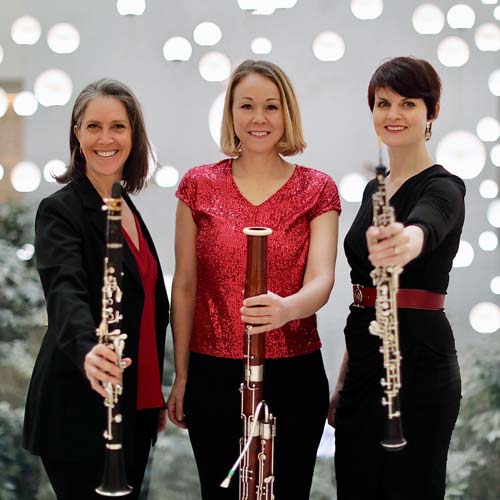

The recital presents new arrangements combining reed trio with a jazz vocalist.
Music for Double Reeds and Bass Clarinet
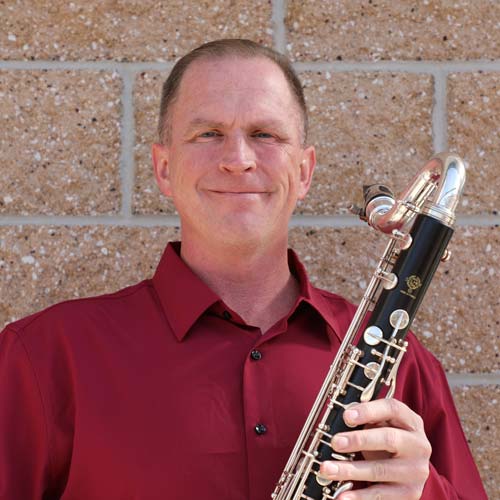
W. Anthony Russ (bass clarinet), Mary Stahlhuth (oboe), Sonja Larson (bassoon)
July 8th Evening Concert
Resonances Across Cultures
7:30 PM, Hall Auditorium
An Orange Tree | Jenni Brandon (b. 1977)
TK DeWitt (contrabassoon), Leigh Muñoz (bassoon)
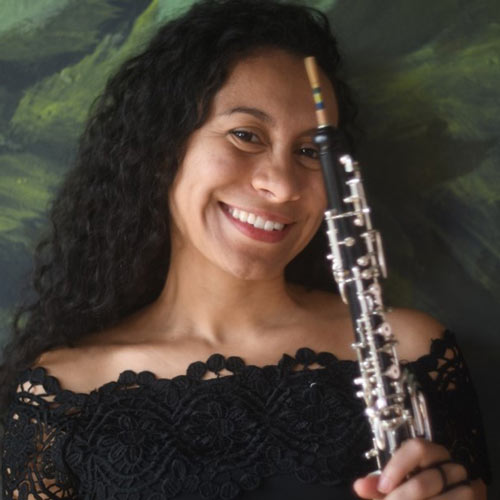
Abismo para oboe solo | Fernando Zúñiga Chanto (b. 1977)
Indira Quintero Fonseca (oboe)

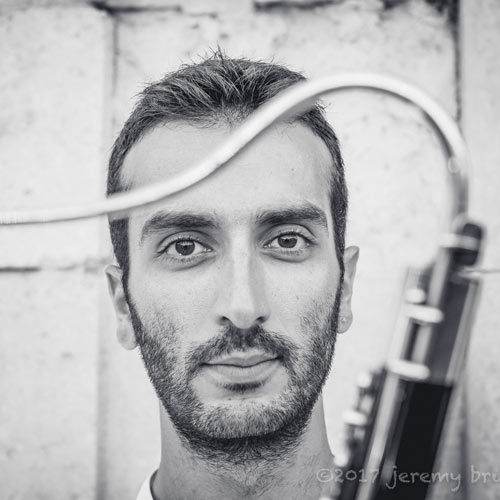
Ciranda das Sete Notas | Heitor Villa-Lobos (1887–1959)
Vahan Khourdoian (bassoon)
and string quintet
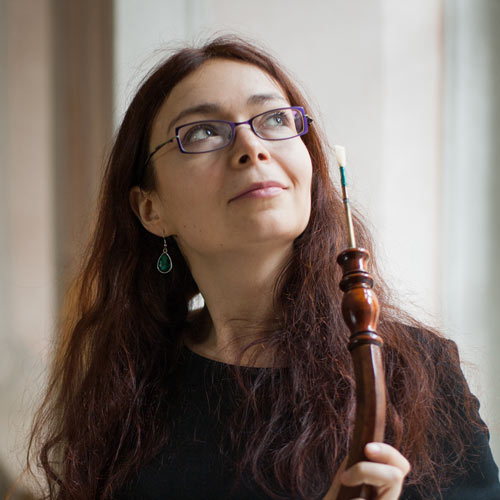
Partita No. 3 in D minor | Johann Wilhelm Hertel (1727–1789)
Katarzyna Pilipiuk (baroque oboe)
and harpsichord
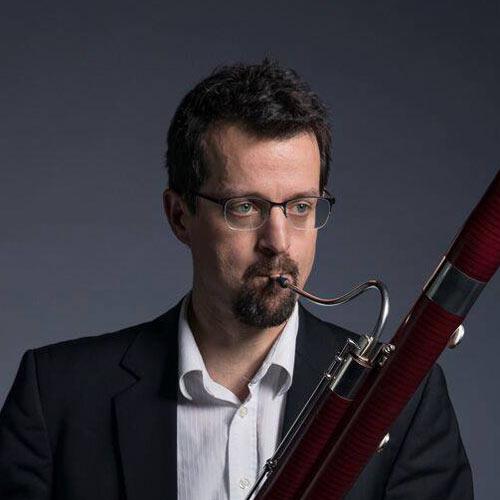
Jacana for unaccompanied bassoon (World Premiere) | Melody Eötvös (b. 1984)
50 for 50 grant winner
Lyndon Watts (bassoon)
Monk’s Oboe for oboe and string quartet | Libby Larsen (b. 1950)
Jared Hauser (oboe)
and string quartet
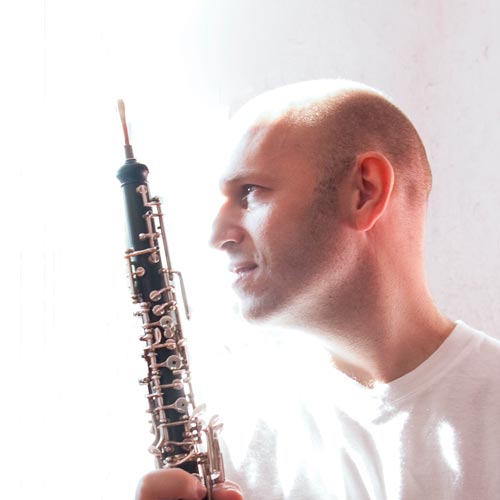
Impromptu | Sophie Kuba (b. 1991)
Carlos Galdamez (oboe), Telma Dîaz (bassoon), Fernando Zuniga Chanto (piano)