Donations

Schedule Update – Cancellations:
July 7, CPA 114, 12:00 RECITAL: The Cannablist Manifesto: The Backdrop to Mignone’s Sonata No. 1 for Two Bassoons/ C. CLARK
Welcome to the IDRS 2026 Conference Schedule! Scroll down to browse the wide variety of events, including recitals, workshops, masterclasses, presentations, panel discussions, evening concerts, and more taking place throughout the week. More information continues to be added, so check back regularly as the conference approaches.
Exhibit hours:
July 7: CLOSED
July 8 – July 10: 10:00 AM – 5:00 PM
July 11: 10:00 AM – 1:00 PM
Conference Activities (including Baroque Band, Contraband, Reading Groups, and Double Reed Band) are included in the schedule below. Individual activity schedules can also be found via the Conference Activities page.
Poster Sessions on Display
Poster Sessions: July 7–9, Shriver Center (near the Exhibits)
The 2026 conference will feature the inaugural year of our new Poster Session Competition.
Stop by Shriver Center Living Room July 7th through 9th to enjoy the poster entries and join us for the winners announcement at the reception on the evening of July 9th!
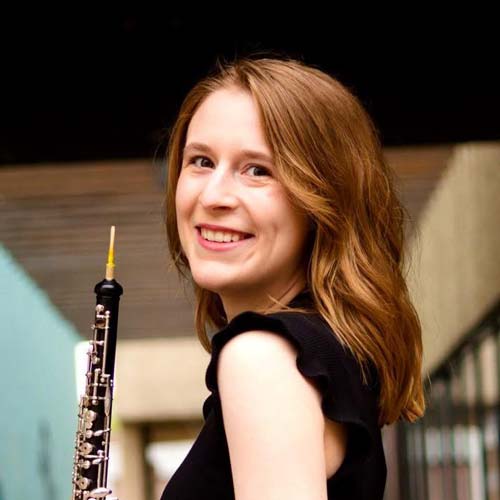
Despite the abundance of online resources for student oboists, a critical gap remains in the pedagogical support provided to non-oboe-playing music educators. This project addresses the systemic barrier, specifically in rural and underserved areas, that prevent band directors from successfully recruiting and retaining oboe students. The purpose of this research is to develop a centralized, open-access digital platform designed to improve the pedagogical efficacy of music educators. This resource includes comprehensive modules on playing fundamentals, purchasing reeds, fundamental exercise sequences for students, and video demonstrations. Additionally, a curated directory of instructors committed to serving under-resourced communities is integrated to facilitate mentorship. By equipping educators with these specialized tools, this project aims to mitigate ‘instrument intimidation’ and foster a larger, more socioeconomically diverse generation of young oboe players.
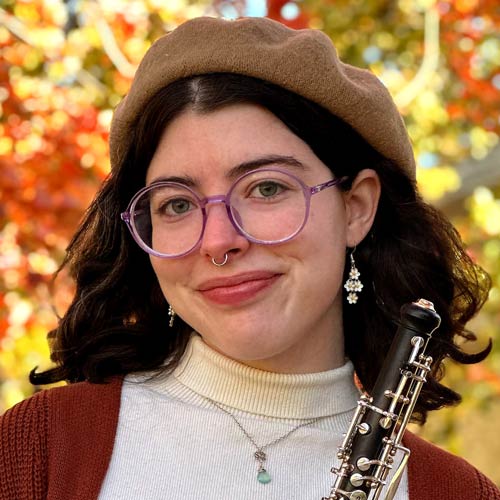
Dr. Chen Yi (b. April 4, 1953) is a prolific Chinese composer and the Lorena Cravens/Millsap/Missouri Distinguished Professor of Composition at the University of Missouri-Kansas City Conservatory of Music. Dr. Chen’s compositional style blends familiar sounds from her home in Southern China with Western classical music, creating new soundscapes for ensembles of all sizes. “Mountain Song” for solo oboe premiered in 2022 at the bicentennial of London’s Royal Academy of Music. It was inspired by Chinese folk songs and the dramatic beauty of nature. Chen Yi evokes memories from her time working in the rice fields and mountains of China, where she would listen to the workers sing a multitude of folk songs. Mountain Song is a reminiscent imitation of farmers singing improvisational melodies. The piece does not quote any particular folk song; instead, it is an original melody that resembles an impromptu tune sung by a single person. “Elegy” was written in 2020 as a response to the Covid-19 pandemic and was part of the Saint Paul Chamber Orchestra’s series of solo commissions. Chen Yi dedicated this solo to oboist Cassie Pilgrim, who shares her southern Chinese heritage. Pilgrim and Chen were introduced during this collaboration with the Saint Paul Chamber Orchestra, where Pilgrim currently serves as principal oboe, a position she has had since 2019. Pilgrim’s late mother was from Chen’s home city of Guangzhou, so the composer decided to both commemorate Pilgrim’s mother and honor those who were lost in the pandemic. Chen Yi’s compositional style in “Elegy” utilizes the mournful Yifan mode (乙反調式) by using quarter tones and pitch bends. Yifan refers to the emphasized tritone scale degrees in the mode; Yi corresponds to Western solfège ti and fan corresponds to fa. The downward pitch bends provide the sorrowful color, evoking a sighing sound.
Chinese composer Chen Yi’s culture influences many aspects of her compositions, drawing from Cantonese folk songs, modes, and lyrical styles. This is evident in her oboe works “Mountain Song” and “Elegy,” as they are predominantly inspired by folk music that was popular in her hometown of Guangzhou. The timbre of the oboe is perfect for replicating the human voice and the many ranges of emotions and inflections found in vocal music. By writing “freely” in her compositions, Chen Yi informs the player to treat each note as if it were improvised, allowing for rhythm and tempo to be up to the player’s interpretation. Both “Mountain Song” and “Elegy” have been transcribed for solo bassoon by Chen Yi and are available for purchase on Theodore Presser. Expanding the double reed repertoire to be more inclusive of non-Western cultures and women composers is essential for understanding the identities of underrepresented people.
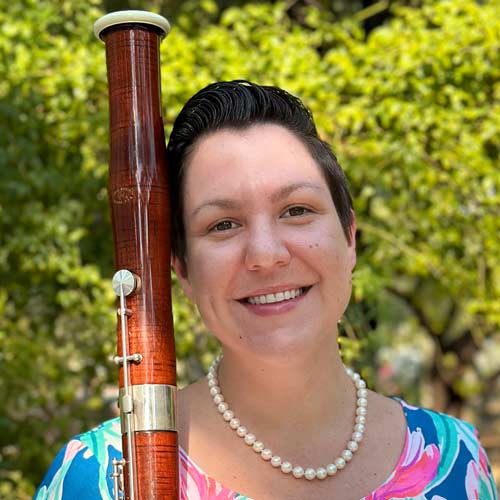
“Where in the world are the women bassoonists?!”
Join bassoonist Liz Valvano on a world tour, identifying prominent women bassoonists performing and teaching across the globe. This poster will feature musicians who identify as women who also play the bassoon or the contrabassoon.
This poster is part of an ongoing research project by Dr. Valvano, who is deeply interested in seeing our global connections in music.
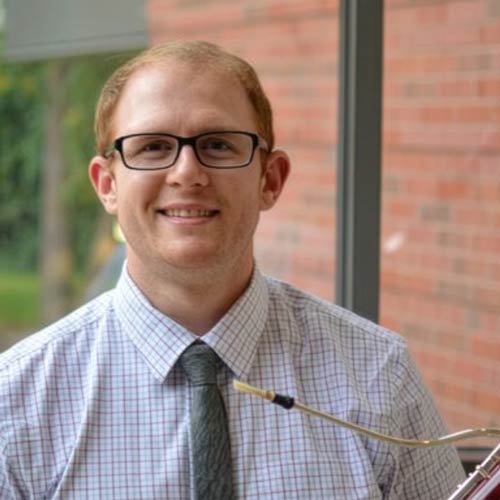
Background and Problem: Reed cane selection for double reeds has long relied on subjective visual and tactile assessment. Standardized objective tools for quantifying the pre-processing quality of Arundo Donax L., the primary plant material for reeds, remain limited. This project adapts nondestructive evaluation (NDE) techniques from materials science to establish a repeatable framework for identifying and quantifying the physical properties that determine reed performance and reliability.
Methods: Pulse-echo ultrasonic testing was applied to measure the time-of-flight of acoustic waves through gouged oboe and bassoon cane, deriving stiffness (Young’s modulus), resiliency (acoustic impedance), and apparent density. N = 239 cane samples were analyzed under controlled conditions, followed by blind performance evaluations by N = 15 double reed musicians across skill levels. Data informed the creation of a Material-Performance Table, mapping property ranges to desirable acoustic and mechanical behaviors.
Results: The study produced a composite metric integrating stiffness, density, and resiliency. Cane within ±20% of the mean consistently yielded reeds of high quality, while deviations beyond ±40% correlated with poor or unstable performance.
Conclusion: This research bridges materials engineering and musical performance, demonstrating that reed success can be predicted through quantifiable data. The approach introduces a low-cost, evidence-based method for improving consistency and quality control in reed making. Overall, the project redefines reed making as both an art and a science, grounded in data-driven understanding of sound, structure, and performance.
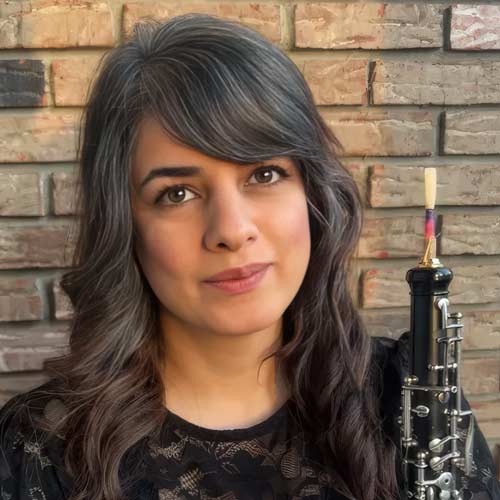
“The Other Side of Oboe Sound” Poster Presentation
This poster presentation will cover many extended techniques available to oboe players and composers. The content is divided into three categories:
Overview: including distinctions between “standard” techniques and “extended” techniques with a brief historical survey, tracing early examples of extended techniques in works by composers such as Hector Berlioz and Richard Strauss, and continuing through the twentieth century with composers including Luciano Berio, Krzysztof Penderecki, and Heinz Holliger whose contributions significantly expanded the technical and sonic possibilities of the instrument.
Technical Details: including QR codes which will link to video examples of specific techniques, performed by the presenter.
“Real-Life” Examples: including QR code links to oboe repertoire that includes these techniques (some of which are discussed in the overview) and thoughts about composer/performer collaboration.
This presentation emphasizes the importance of performer–composer collaboration and encourages oboists to adopt a flexible, creative, and exploratory approach to expanding the sonic identity of the instrument.I am looking forward to being at the conference to answer questions and provide more details about this topic.
July 7th Daytime Events
Welcome from the President and Official Opening of IDRS 2026 Conference
IDRS Double Reed Band Rehearsal #1
From Ergonomics to Empowerment: Designing Gear for Diverse Musicians
Madeline Wilks
Tutti is a new business dedicated to creating accessible neck straps and standing gear designed specifically for female and non-binary musicians. Traditional music accessories often overlook differences in body shape, size, and comfort, leading to strain and limiting performance. Tutti addresses this gap by designing ergonomically balanced, adjustable, and stylish gear that supports every musician’s body and playing style. Our neck straps and stands are crafted with inclusive design principles, using sustainable materials and customizable fits to enhance comfort, posture, and confidence on stage or in rehearsal.
Beyond making high-quality products, Tutti is committed to building an inclusive community that amplifies underrepresented voices in music. Through collaboration with artists, educators, and designers, we aim to redefine what “standard” gear looks like — creating tools that truly work for everyone. Tutti’s mission is simple: to help every musician stand tall, play comfortably, and feel seen.
Of Children, Mind and Earth: A multimedia program for oboe with electronic audio/video tracks
Theresa Delaplain (oboe)
Of Children, Mind and Earth: A multimedia program for oboe with electronic audio/video tracks
This program addresses some topics that I feel strongly about and wanted to express them musically and visually, through the three pieces on the program. All of these works have an electronic soundtrack that the acoustic oboe plays with, and two of them has an accompanying video. One of them uses a digitally delayed sound on the acoustic oboe.
The first piece other offers a vision of children in a world free of cruelty, using art images that were drawn by children. The second work is a piece which explores the topic of schizophrenia and other mental illnesses. The final work is a lively, witty piece that is a fun gathering of nature, with an accompanying video.
Neurodivergent-Inclusive Pedagogical Strategies for Double Reeds
Clair Cangialosi, Keith Sorrels


The purpose of this event will be to spread awareness of the specific issues that neurodivergent musicians face in the classroom, in the practice room, and in the workplace, and how we all can better support our students and colleagues. Most educators will encounter neurodivergent students throughout their teaching career. Utilizing neurodivergent-inclusive pedagogy will benefit all students regardless of neurotype by fostering a more inclusive classroom/ studio environment. Focusing on ADHD, autism, and dyslexia through the lens of the neurodiversity paradigm, this presentation will define key terms related to neurodiversity, describe examples of music/double reed- specific challenges and strengths associated with the above conditions through personal anecdotes and case studies, and provide specific teaching strategies and accommodations designed to help mitigate barriers to student success.
“The Great Indoors – Composition Recital with Electronics, Bigfoot, and Camping” Featuring Members of ShakaduGAT
Stuart Young (bassoon), Zach Gnall (oboe), Colleen McCracken (flute), John Griffin Jr. (clarinet)
A recital featuring new solo and ensemble works featuring solo bassoon with electronics and woodwind quartet.
Solo Recital Repertoire for Undergraduate and Graduate Students
Galit Kaunitz
This masterclass is for undergraduate and graduate students who are preparing for a solo degree recital. Topics covered can include oboe fundamentals, elements of musical style and interpretation, effective practice techniques, speaking to audiences, recital preparation, stage presence, and creating a narrative through programming decisions. Participants may choose to perform repertoire from any time period, as long as the oboe is the solo instrument. Students of any degree program and ability level are welcome!
Galliard’s Third Bassoon Sonata: Gateway to Baroque Literature
Terry Ewell
John Ernest Galliard’s Third Sonata holds a significant place in the bassoon repertoire for younger players due to its accessibility and memorable melodic writing. It can also be an introduction to Baroque performance practice, which is an aspect often neglected by teachers in their instruction of this composition. This presentation highlights ways in which the Third Sonata can serve as a practical introduction to ornamentation and stylistic aspects of Baroque performance. The presentation will also provide information on additional resources for students and teachers, including sound files for practice, instructional videos, and a performance edition.
Expansion
Atlantic Trio
As “standards” establish themsleves within the canon of our repertoire, many fabulous works subsequently vie for a share of our community consciousness. It is our goal as performers in Jersey Reeds to toe the line between carefully crafted performance of the excellent works commonly known for oboe, bassoon and piano, while spotlighting works by underrepresented individuals, historically underperformed works from bygone eras, and those which resonate with us personally that we’d like to see more of our colleagues tackle!
Although our string counterparts have coined the monicker “piano trio”, we believe the woodwind equivalent combination our ensemble is composed of can challenge the excellence violin, cello and piano have presented over time. These two works by Mathieu Lussier and Oscar Navarro are fantastic examples of the colors, styles, athleticism, lyricality and overall virtuosity that bassoon and oboe exhibit as individuals, and even more potently in this trio format.
We hope this performance can inspire our colleagues to explore more repertoire that challenges us individually in every facet of musicianship and instrumental excellence, while also demonstrating the capabilities that the performers of tomorrow should strive to achieve, and surpass, to grow this fantastic ensemble.
Faith as Self-Care for the Musical Soul
Caitlin Kramer
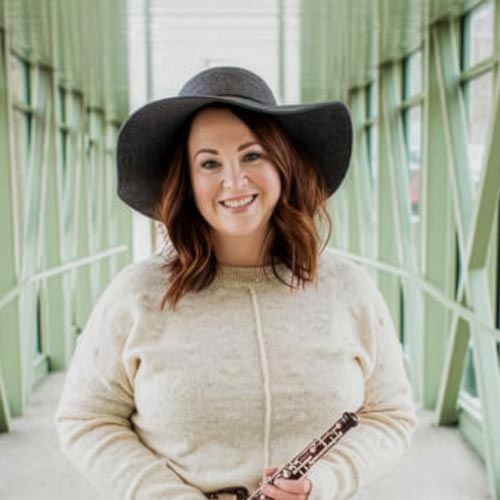
Faith and Music have been bound together for centuries. As musicians, we often lead busy lives that can pull us in many different directions on a daily basis. This talk aims to discuss they ways in which we may center ourselves and our souls in a fast-paced and demanding industry. Community built through Faith can be such a deep and meaningful connection, we already know this as musicians and members of IDRS. How can we find ways to support ourselves and bless others through Faith and encouragement?
Questions asked and explored will include:
- How can we preserve our Spiritual Identity as Musicians?
- What are meaningful and comfortable ways that we can incorporate Faith into our Careers?
- How does our Faith impact our Professional life as Musicians?
- What does a daily routine in a Faith centered Musician’s life look like?
Lilac Trio
The Lilac Trio
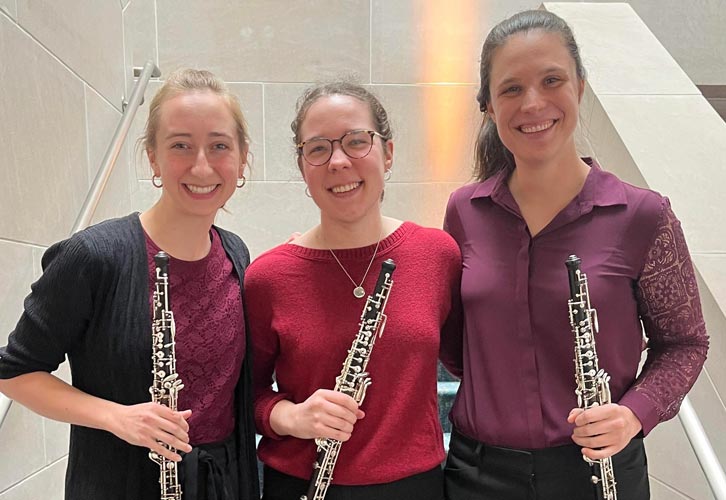
Lilac Trio – Kate Bruns, Katie Eaton, and Emily Hart – present a recital of lesser-known oboe trios and trios for two oboes and English horn by Dirk-Michael Kirsch, Bill Dobbins, and a new arrangement of Clara Schumann’s Romance no. 2 for Violin and Piano. Dirk-Michael Kirsch’s Meeresbilder (“Sea Pictures”, in English) features stunning imagery in a virtuosic work for two oboes and English horn. Movements to be performed are Scherzo: Stormy Day; Notturno: Boats in the Moonlight; and Finale: all’irlandese. Written for three oboes, Meet Me at Dreamland by jazz artist Bill Dobbins was written for Richard Killmer and has a dreamy, blues theme – reminiscent of Duke Ellington. Clara Schumann’s Three Romances for Violin and Piano Op. 22 have become popular among oboists. In this program, the second Romance, “Allegretto” is arranged for two oboes and English horn by Kate Bruns – this performance marks the premiere of this arrangement.
“airplay” for oboe & fixed media (G. Stringfellow) / Amalgam for English Horn and Bass Clarinet (R. Costa)
Grace Stringfellow (oboe), Robyn Costa (Enghlish horn), Anthony Costa (bass clarinet)
Found Objects: On the Beach (T. Hommowun), Ready to Rumble! (J. Womack), Afterimage, for Electric Contrabassoon (K. Sodman)
Timothy Hommowun (oboe), Jennifer Bouck (clarinet), Ashley Mania (bassoon), Jeff Womack (bassoon), Gilbert Dejean (bassoon), Kyle Sodman (contrabassoon)
Open workshop for orchestral excerpts
Benjamin Moermond
Volunteers are invited to participate as we explore some of the most well-known lyrical solos from the orchestral repertoire.
New Music for Historical Bassoon Project
Dylan Myers

The Double Reed Journal Editors Event
Editor’s Choice: Join the Bassoon and Oboe Editors of The Double Reed as they share their picks for some of the most important, influential, and illustrative articles from the journal’s multi-decade history. Have a favorite article of your own? Come tell us about it!
Songs of Healing and Remembrance
Las Californias
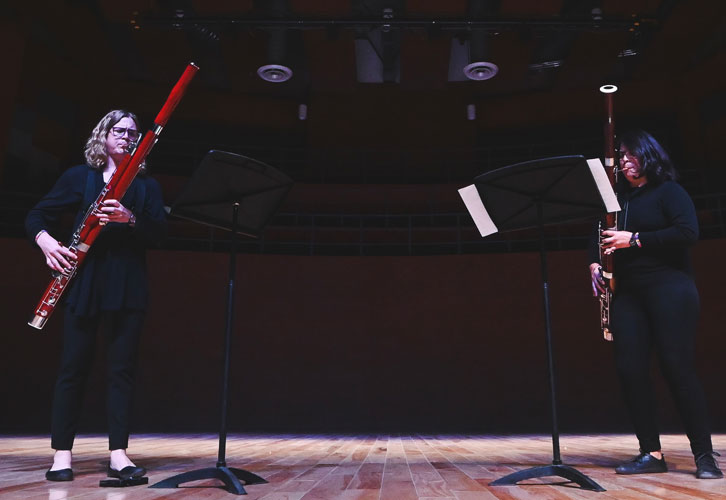
Comprised of Maribel Alonso and Stephanie Patterson, Las Californias is a dynamic bassoon duo that celebrates music by female and underrepresented composers, including improvisation and new arrangements of pieces by composers from present and past centuries. With a passion for bridging cultures through their unique sound, they have performed internationally from Thailand to Argentina, and both sides of the border of the US with Mexico. This concert combines their project of rescuing composers from the past with an arrangement of Barbara Strozzi’s aria “Non c’è più fede” for two bassoons alongside a premiere of a brand new work by Mexican composer Nonis Prado. Their work across borders is highlighted in a final piece inspired by the celebratory Mexican folk tradition “La Guelaguetza”.
From Reed to Rhetoric: Building Expression from the Ground Up
Jung Choi
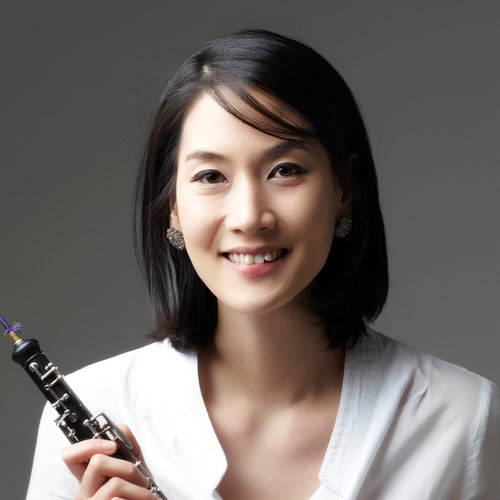
Students are welcome to apply with any repertoire; Orchestra excerpts to solo repertoire. When applying to present a non orchestra excerpt, students are encouraged to prepare the music in its entirety, ready to play whichever section they are asked to play during class. For example, one entire movement of a sonata or a concerto.
On the Move: two contemporary works for wind quartet
Jenna Sehmann (oboe), Keegan Hockett (bassoon), Moria Tunison Pieper (clarinet), John Ross (flute)
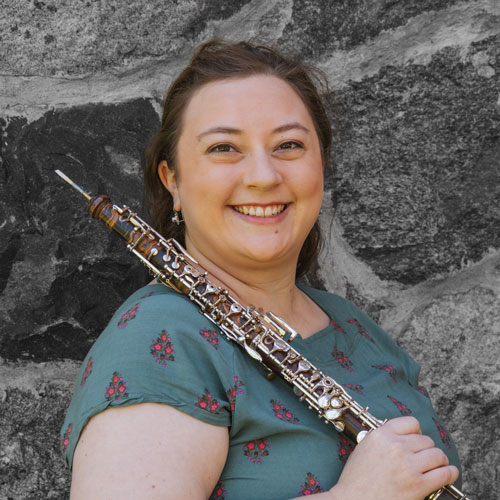
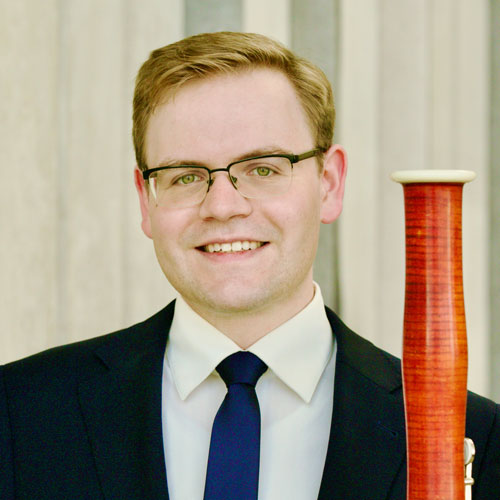
“On the Move” is a recital that highlights how contemporary composers explore movement in distinct and imaginative ways. Alyssa Morris’s “Motion” unfolds in four playful and vividly drawn movements: Bike Ride, Stretch, Tip Toe, and Strut. Each movement captures a distinct physical gesture through Morris’s characteristic whimsical style. John Steinmetz’s “Fits and Starts” offers a contrasting perspective, portraying movement as fragmented and unpredictable. Through abrupt pauses and bursts of activity, the piece reveals the charm of irregular momentum. Together, these works showcase the expressive range of the woodwind quartet and the many ways music can embody motion, character, and energy.
Performed by Wild Prairie Winds, a group dedicated to accessible chamber repertoire, the ensemble is known for its imaginative and narrative programming. Both Morris and Steinmetz are leading voices in contemporary chamber music, and this program presents their work in a way that is engaging and vividly theatrical for audiences.
Rustiques (K. eGruchy), Piano Trio no. 1 in G minor, op. 11 (transcribed for oboe, bassoon, and piano) (G. Clement)
Katherine deGruchy (oboe), Ryan Griffin (clarinet), John deGruchy (bassoon), Trio Triptych (Georgia Clement, bassoon; Steven Stamer, oboe; Quin Nardone,piano)
Flirting with Boundaries
Big Sky Collective
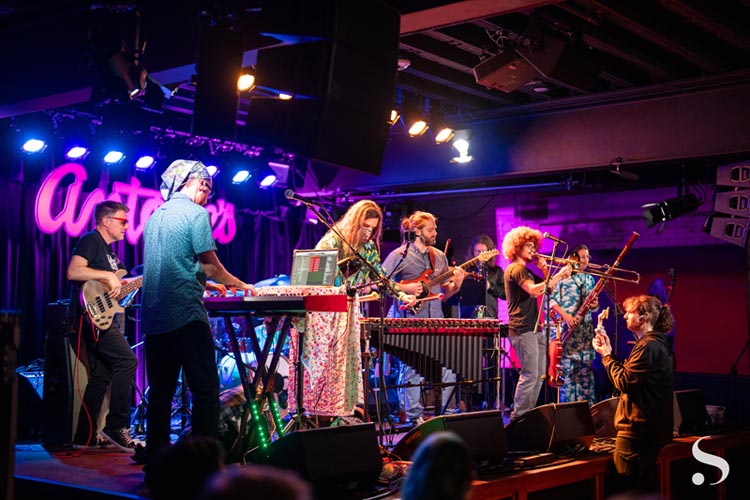
Flirting with Boundaries explores how the Bassoon can emerge out of the traditional context through genre-blending compositions and collaborative improvisations. The topic of electroacoustic and improvisational Bassoon has been increasingly central in modern double reed discourse, and this program offers a focal point within that conversation. Big Sky Collective is a forward-driven ensemble that embraces innovation, expanding both what the Bassoon can bring to an ensemble and how they can collaboratively define themselves. Flirting with Boundaries is a cinematic and cerebral journey through change, exploring the profound feelings of introspection and renewal that arise. This program is essential for double reed players interested in electroacoustics, improvisation, and collaborative composition. Through this work, Big Sky Collective illuminates how creativity and community can pave the way for new sonic identities and innovative new music.
The Sustainable Portfolio Musician: Designing a Balanced Early-Career Path
Dennis Pearson, Joseph Swift

The Sustainable Portfolio Musician is an interactive workshop for students and early-career musicians who are beginning to shape their professional paths. Instead of chasing every opportunity or feeling unsure where to start, participants explore the core building blocks of a modern portfolio career—performing, teaching, gigging, digital work, and other creative roles. Through guided activities, they map potential income streams, identify their artistic priorities, and learn practical ways to structure their time as they move into professional life. The session also introduces essential early-career business habits, including planning, scheduling, communication, and organization. A brief, low-pressure section on personal branding helps young musicians talk about what they do without feeling like they must market themselves. Attendees leave with a clearer sense of direction, a personalized career map, and simple tools to build a balanced, sustainable, and authentic start to their musical careers.
Masterclass for Bassoon with standard Repertoire, in Chinese, German or English
Shibin Song
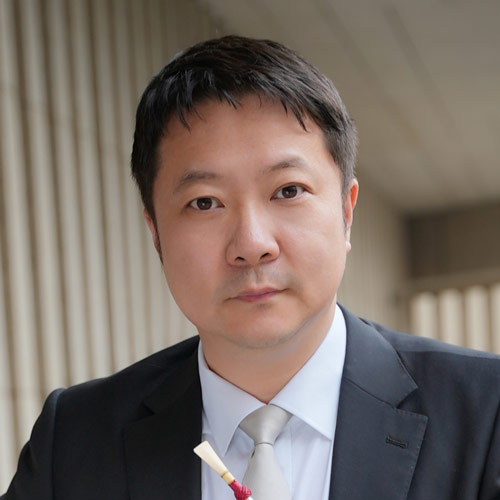
Professor Shibin Song (Professor of Bassoon and Deputy-Director of Orchestral Instruments Department of Sichuan Conservatory of Music in City Chengdu, China and Principal Bassoon of Chengdu Metropolitan Concert Hall Orchestra) will give a masterclass for bassoon in Chinese, German or English. Bassoon students are welcome to bring standard repertoire of their choice.
Oboe Museum
Geoffrey Burgess
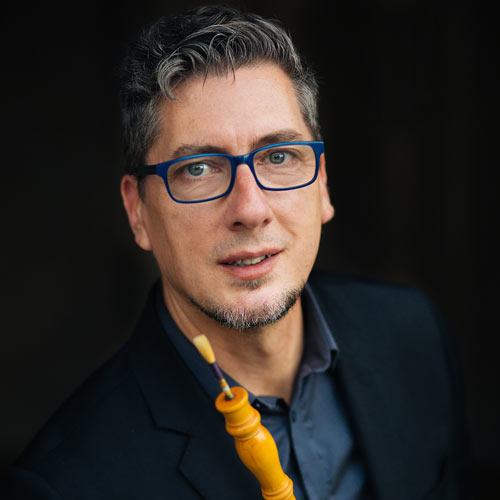
An illustrated lecture demonstrating the history of the oboe with original specimens from the late 18th century to the end of the 19th century. This is an opportunity to view and hear representative oboes and English horns of historical significance from famous builders including Thomas Collier, Christophe Delusse, Guillaume and Frédéric Triebert, Henri Brod, Stephan Koch, Carl Theodor Golde, Hermann Zuleger, and François Lorée. The instruments, forming part of the presenter’s private collection, will be displayed with appropriate method books, fingering charts, and demonstrated live and in recordings with music in which they may have originally been heard in French and Austro-German traditions.
The Performance of a Lifetime, Every Time
Lynn Hileman
Musicians tend to think of their best performances as rare gifts: moments of luck rather than the result of a repeatable process. Neuroscience suggests otherwise. This workshop introduces Neurobiologically-Informed Performance, a methodology grounded in flow research, cognitive neuroscience, and evidence-based coaching, built on the premise that the “performance of a lifetime” is simply a description of flow—the psychological state of total absorption, effortless focus, and optimal musical expression—and that flow is a learnable, accessible and repeatable skill, not a matter of luck. Attendees explore the science of cognitive reappraisal, heart rate variability, and somatic flow triggers before experiencing the Struggle-to-Flow Protocol: a four-step pre-performance practice for redirecting nervous energy into the conditions for flow — and leave with both a conceptual framework and an immediately applicable tool.
Duets! Duets! Duets!
Dione Chandler (oboe), Jared Hauser (oboe and English horn)
Anemoi (Z. Ballenger), Sunrise Suite (M. Ferrabone), Chichicastenango, Siblings (T. Díaz)
Zane Ballenger (oboe, English horn, contrabassoon, bassoon), Melanie Ferrabone (bassoon), Telma Díaz (bassoon), Carlos Galdamez (oboe), Fernando Zuñiga Chanto (piano)

Honey, I Shrunk the Bassoon! A Recital of New Tenoroon Music
Kathleen Moran (bassoon), Julia Zalusky (oboe), Bryan Benson (bassoon), Erik Traheim (bassoon)
This recital aims to bring the music of the tenoroon to a wider audience. The tenoroon is like a bassoon but is smaller and pitched at a higher tonal level. The instrument being played in this recital is in F (a perfect fourth above the bassoon). With there being very few resources to listen to the modern tenoroon, this recital allows the listener to hear the tenoroon being played at a professional level. This recital features three newly commissioned works for tenoroon in various ensemble configurations: trio for tenoroon, bassoon, and contrabassoon by Andrew Strawn, duet for English horn and tenoroon by Alyssa Morris, as well as tenoroon with piano by Jenni Brandon.
Sightreading Skills for the Avocational Musician
Jennet Ingle
In this interactive workshop for avocational players, we’ll consider strategies for sight-reading music both easy and difficult. We’ll help you feel and sound more confident and not get lost! We will talk about how to triage music before the first rehearsal so you can prepare without feeling like you need to memorize the entire score in advance. Bring your instrument – we will be plucking volunteers from the audience!
Shape Your Future in Music: Designing a Life That Fits You!
Lynne Marie Mangan
Oboe Dojo: Connecting Mind, Body, and Sound
Laura Medisky
Oboe Dojo is an approach to playing that addresses the Oboe Mind, the Oboe Body, and the Oboe Sound individually and as a working whole. In this Alexander Technique informed workshop, participants will explore their relationship to the oboe while playing, looking at how the mental and physical procedures of practicing can help create a cohesive mind-body approach to performing.
We will begin with a group playing activity and then 1-2 volunteers will be taken to play individually. Volunteers can choose to play anything they like, from simple to standard: scales, etudes, excerpts, solo repertoire, etc.
OBOHIO 2.0: Lesser-Known Works for Double Reed Quartet
OBOHIO 2.0
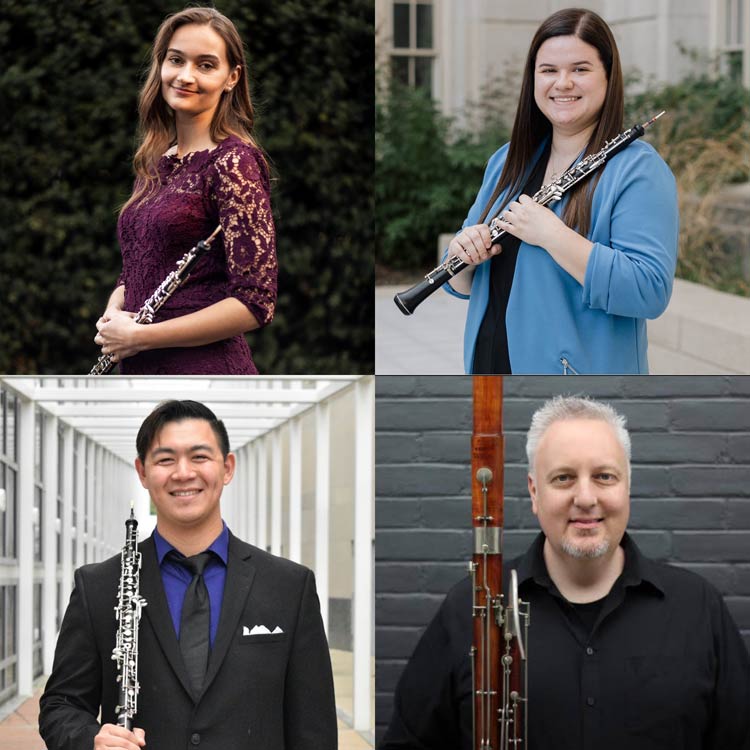
2025 marked the 35-year anniversary of the founding of the OBOHIO, The Double Reed Consort, founded by Robert Sorton in 1990. At the 2025 IDRS conference in Indianapolis, OBOHIO 2.0 emerged. The original members included Robert Sorton (oboe), P. Bailey Sorton (oboe d’amore), Sarah Hamilton (English horn) and Christopher Weait (bassoon). Three members of the newly-formed ensemble, Samantha Zelnik (oboe), Michael Rueda (oboe d’amore), and Hilary Hobbs (English horn), hold degrees from The Ohio State University, where they worked with Robert Sorton and P. Bailey Sorton. Scott Hanratty (bassoon) also holds a connection to Ohio as an alumni of the Cleveland Institute of Music and as the Principal Bassoon of the Worthington Chamber Orchestra. OBOHIO 2.0 honors and hopes to uphold the double reed consort tradition established by the original OBOHIO consort through a recital featuring two lesser-known pieces for double reed quartet to ty raise awareness of these excellent works that double reed players should know. The original OBOHIO, The Double Reed Consort, inspired much music to be written for the less common genre of double reed quartet, and OBOHIO 2.0 hopes to continue this interest in double reed quartet music and gain more repertoire for this instrumentation.
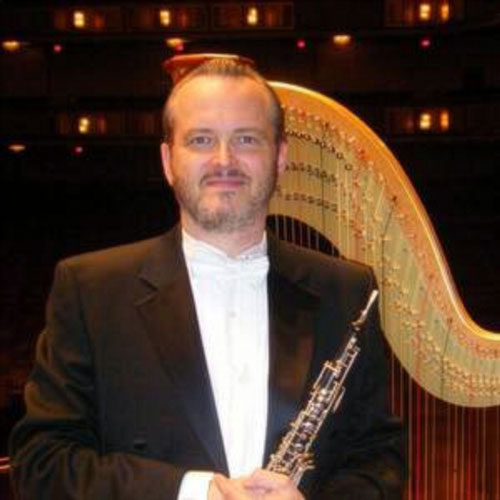
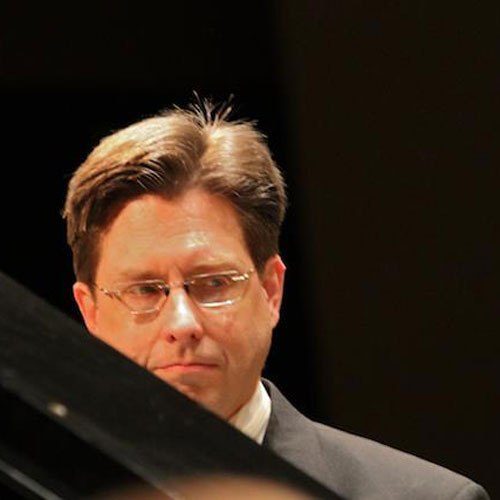
Rediscovered American Oboe Masterpieces
William Wielgus (oboe), Eric Malson (piano)
Zwillich Bassoon Concerto Workshop
Gabriel Beavers
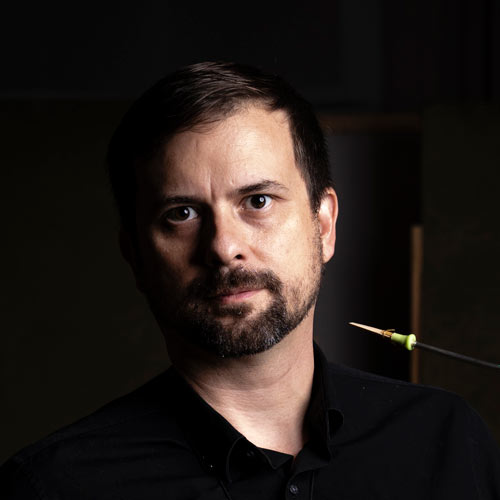
This past season I was very fortunate to perform the Ellen Taaffe Zwillich concerto with Carolyn Kuan and the Boca Symphonia. In my preparation I received direct feed back from Ellen Zwilich and I would like to share those insights with students interested in performing this work. I believe it has become a standard of the bassoon repertoire and is somewhat of a must study for college level bassoon players. I would like to invite students to prepare a movement of this work and receive feedback from me in a live workshop session.
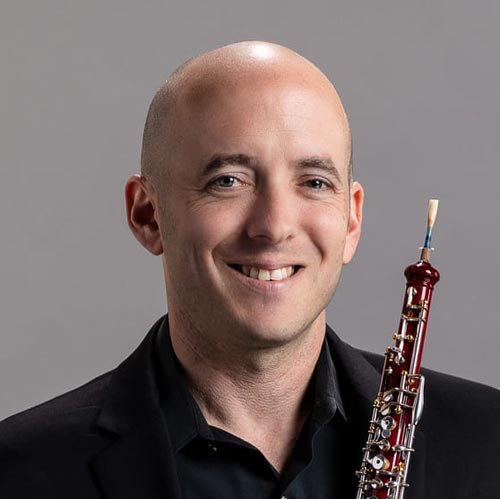
Contrapuntal Conversations
Aaron Hill (oboe), Celeste Johnson (oboe)
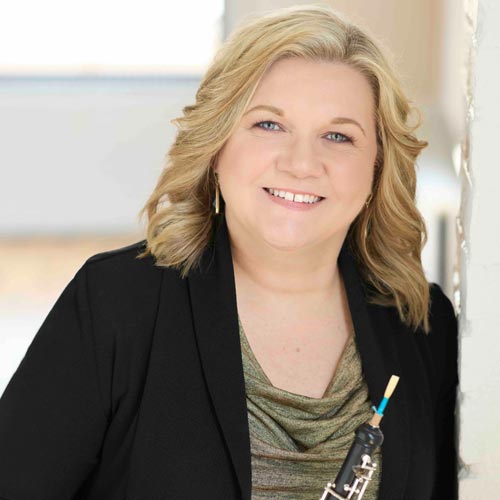
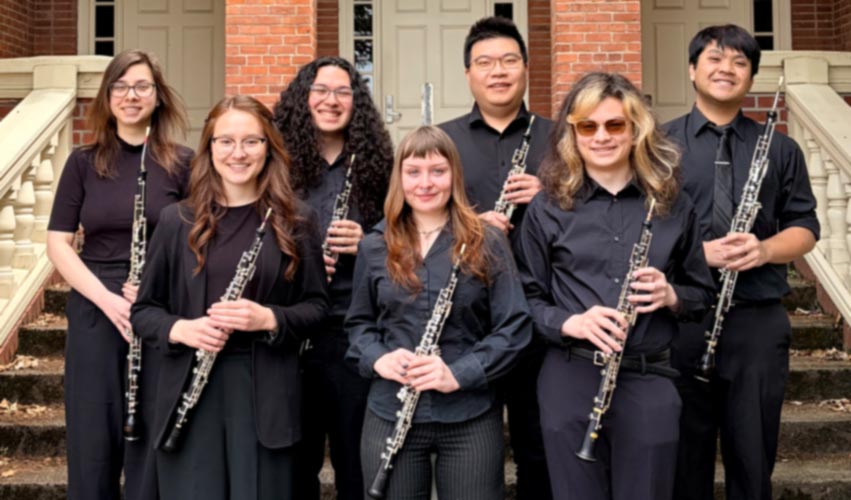
Timbres Recast: Lyricism and Dance Reimagined
The University of Oregon Oboe Choir,
Yu Hao, Coldun Takara, Avery Rowzee, Erin Thraves, Qusavon Pathoumsat, Fiona Tang
July 7th Evening Concert
Contemporary Voices and Timeless Reflections
7:30 PM, Hall Auditorium
Requiem | Robert Bloom (1908–1994)
Andrea Ridilla (oboe)
and string quintet
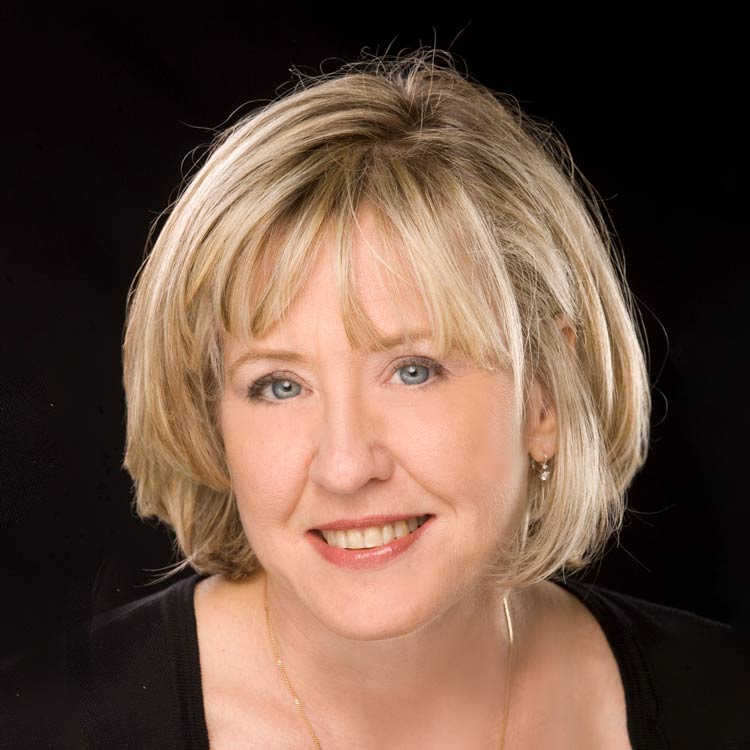
Towards the Eternal Sky | Chen-Hui Jen (b. 1981)
Aaron Pergram (bassoon), Alexander Strader (sheng), fixed media
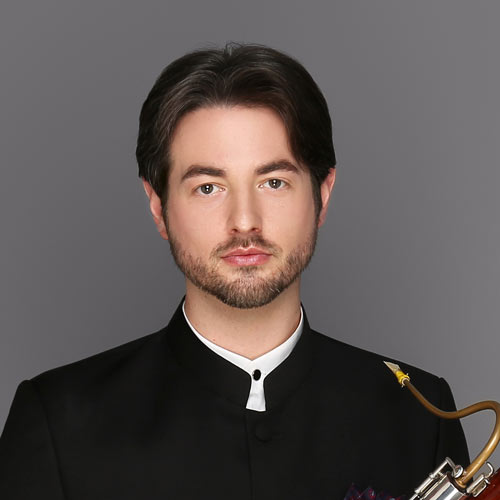
“A Thought Went Up My Mind Today” for Oboe, Bassoon and Piano | Ingrid Stölzel (b. 1971)
Midori Samson (bassoon), Margaret Marco (oboe), Priscila Navarro (piano)
Father’s Day for Oboist (playing Oboe, Oboe d’amore, and English Horn) and Strings (2025) (Chamber Version) | Corey Field (b. 1956)
Nicholas Daniel (oboe/oboe d’amore/English horn)
and string quintet
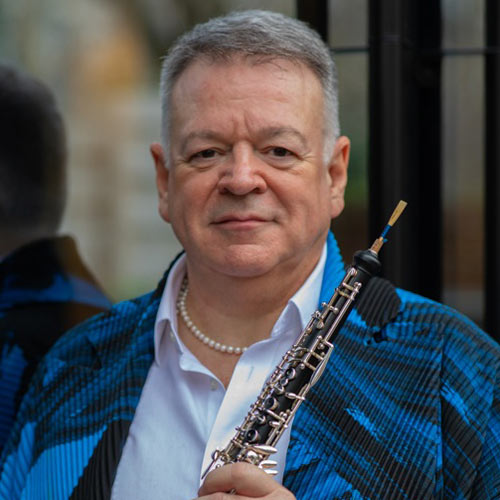

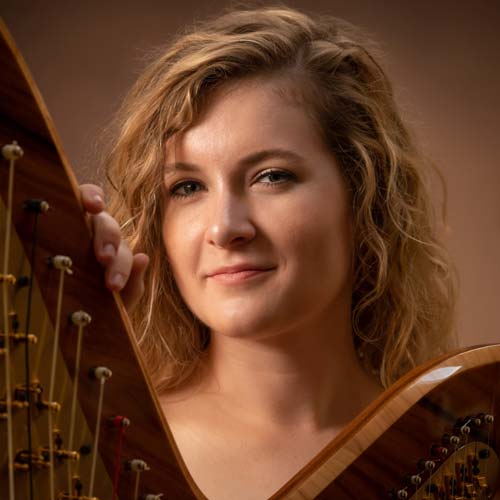
Waves for Bassoon and Harp | Gernot Wolfgang (b. 1957)
Gabriel Beavers (bassoon), Emily Stone (harp)
Suite of Six French Songs of the 15th Century | Willard Elliot (1926 to 2000)
Peter Cooper (oboe), Quincey Trojanowski (bassoon)
and piano
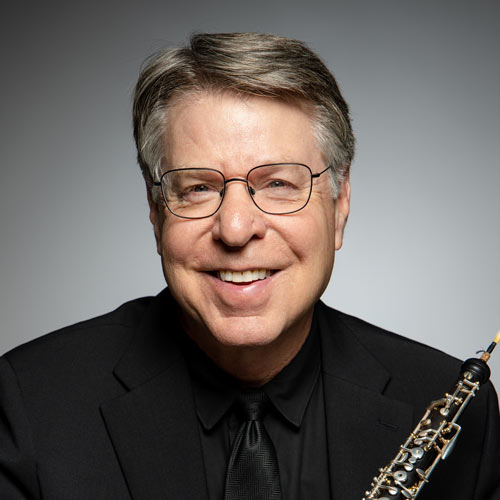
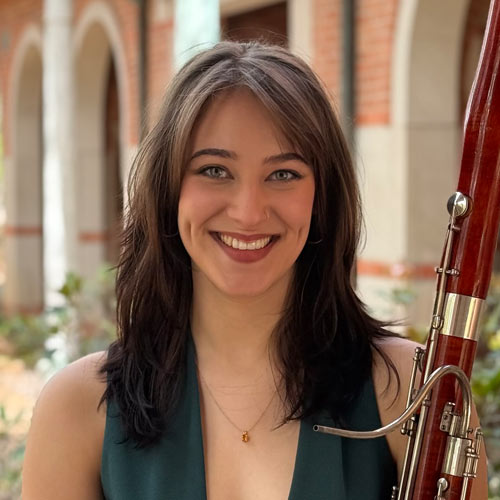
Quartet for Oboe, English Horn, Bassoon, and Piano (World Premiere) | Andrew Lewinter (b. 1966)
John Dee (oboe), Wesley Boehm (English horn), Ben Roidl-Ward (bassoon)
and piano